The Future We Lost
a Cyberpunk Story
Photographer: Laurits Kayser
Date: December 2025
Genre: Editorial / Conceptual / Character-Based / Studio Shoot / Narrative
Model: Vince Decopa
Editor: Laurits Kayser, Vince Decopa
Lighting Assistant: Mahdi Safi
Location: Dieburg / Hesse
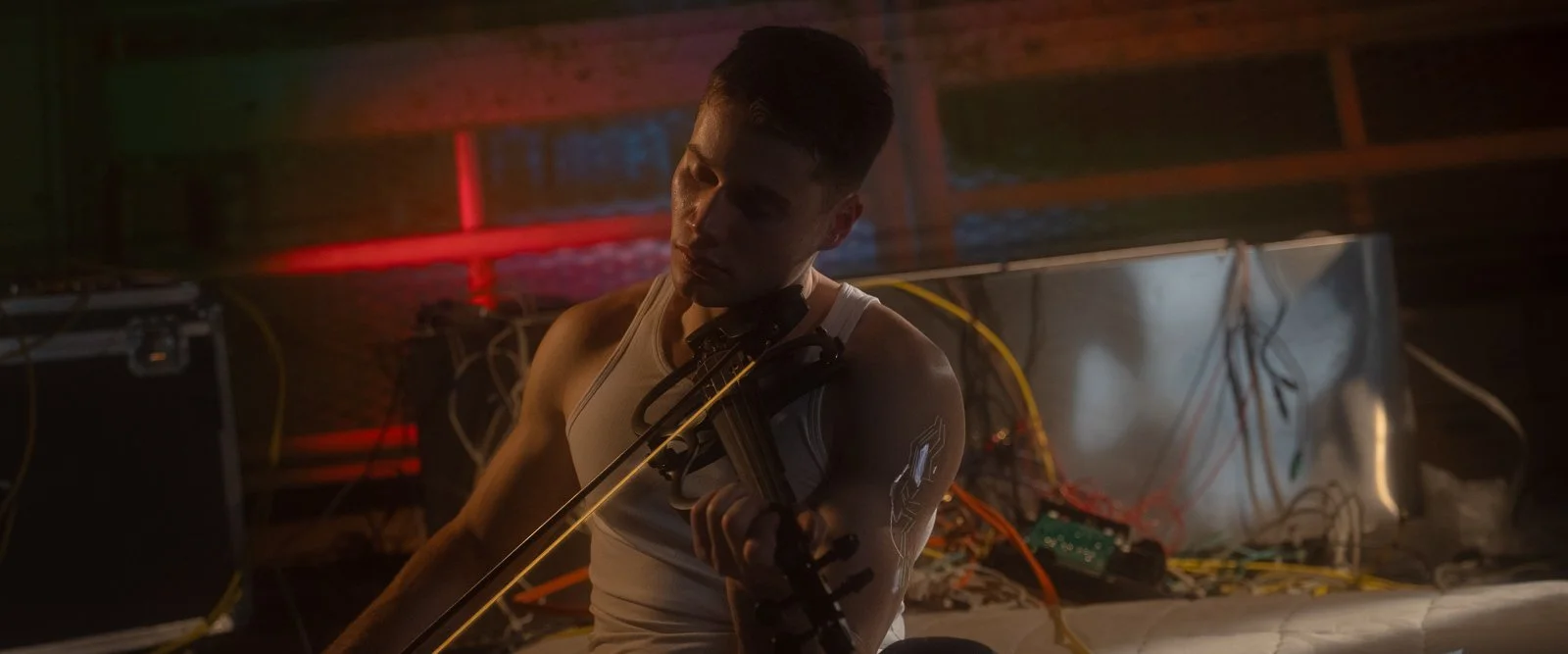
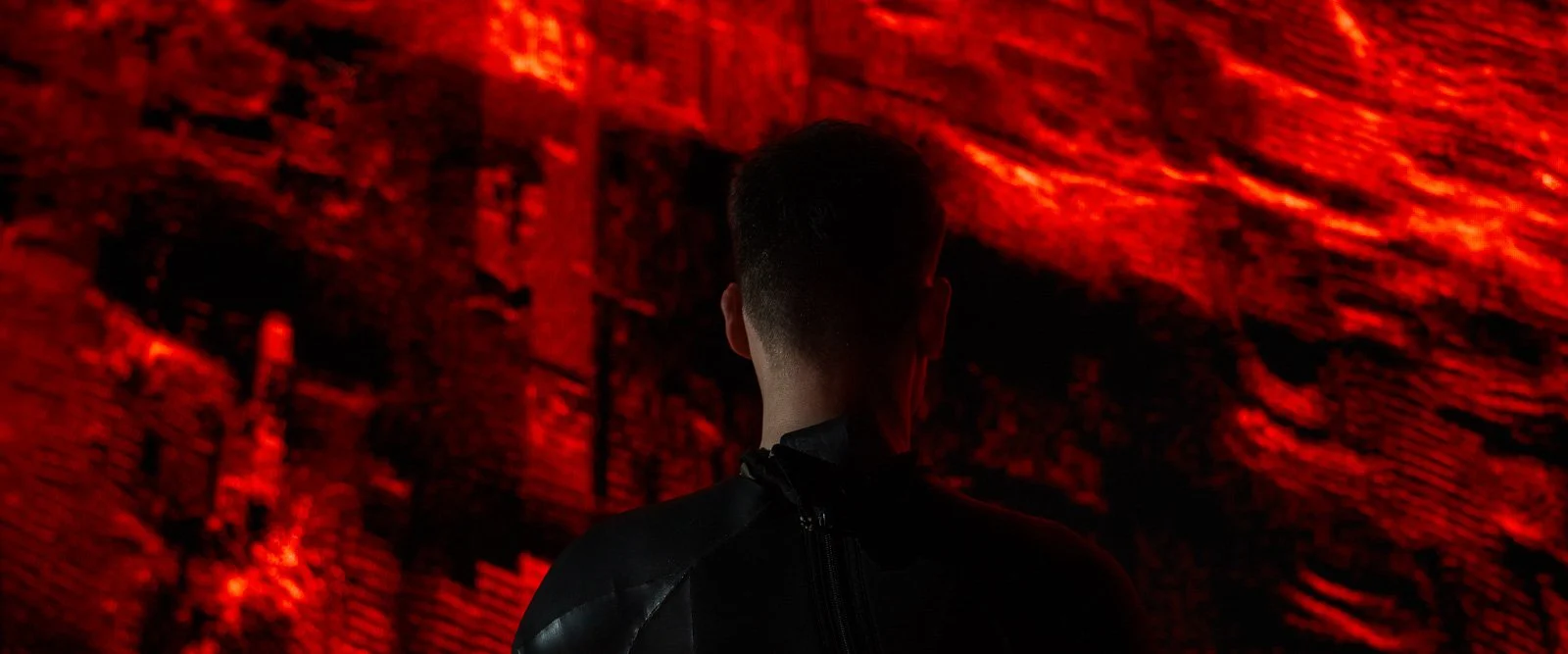
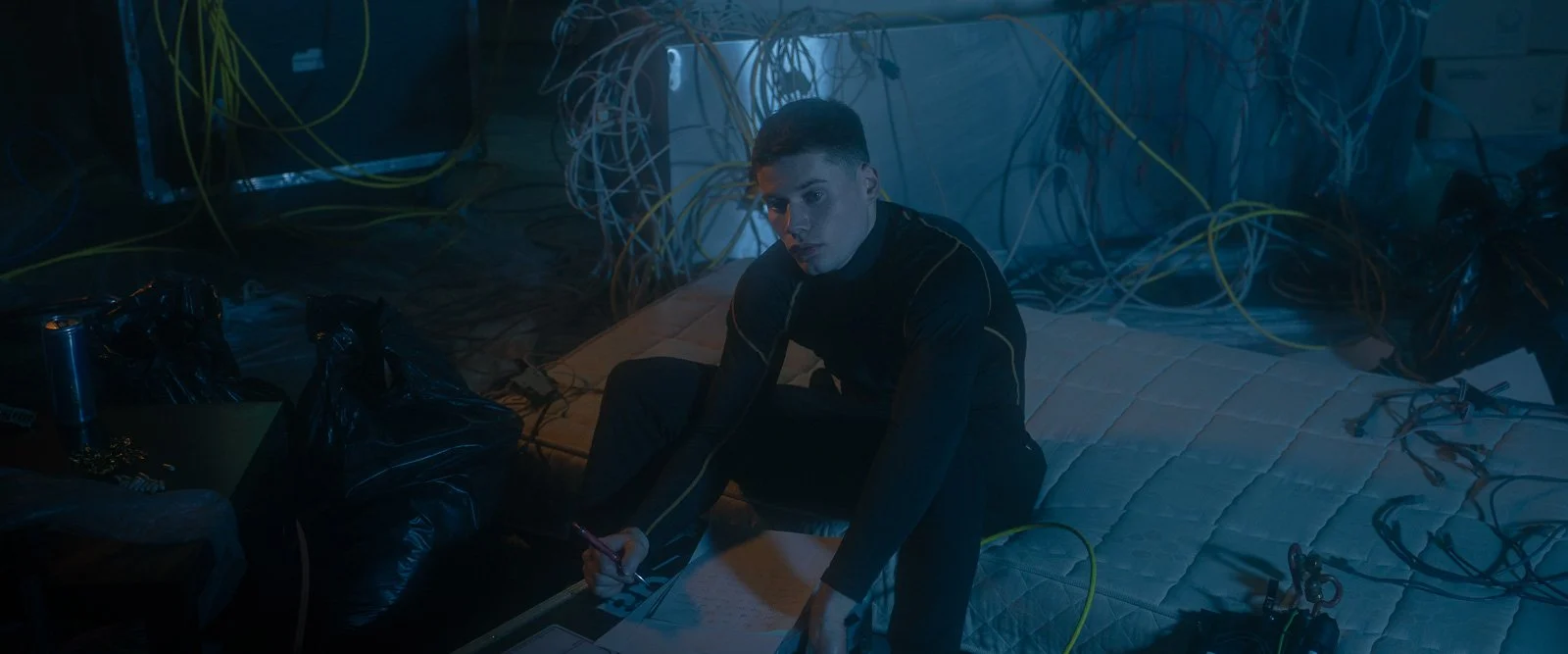
When the City Forgets Us
-
Nothing Left but Neon
-
The Last Days of Us
-
The Future We Lost
-
When the City Forgets Us - Nothing Left but Neon - The Last Days of Us - The Future We Lost -
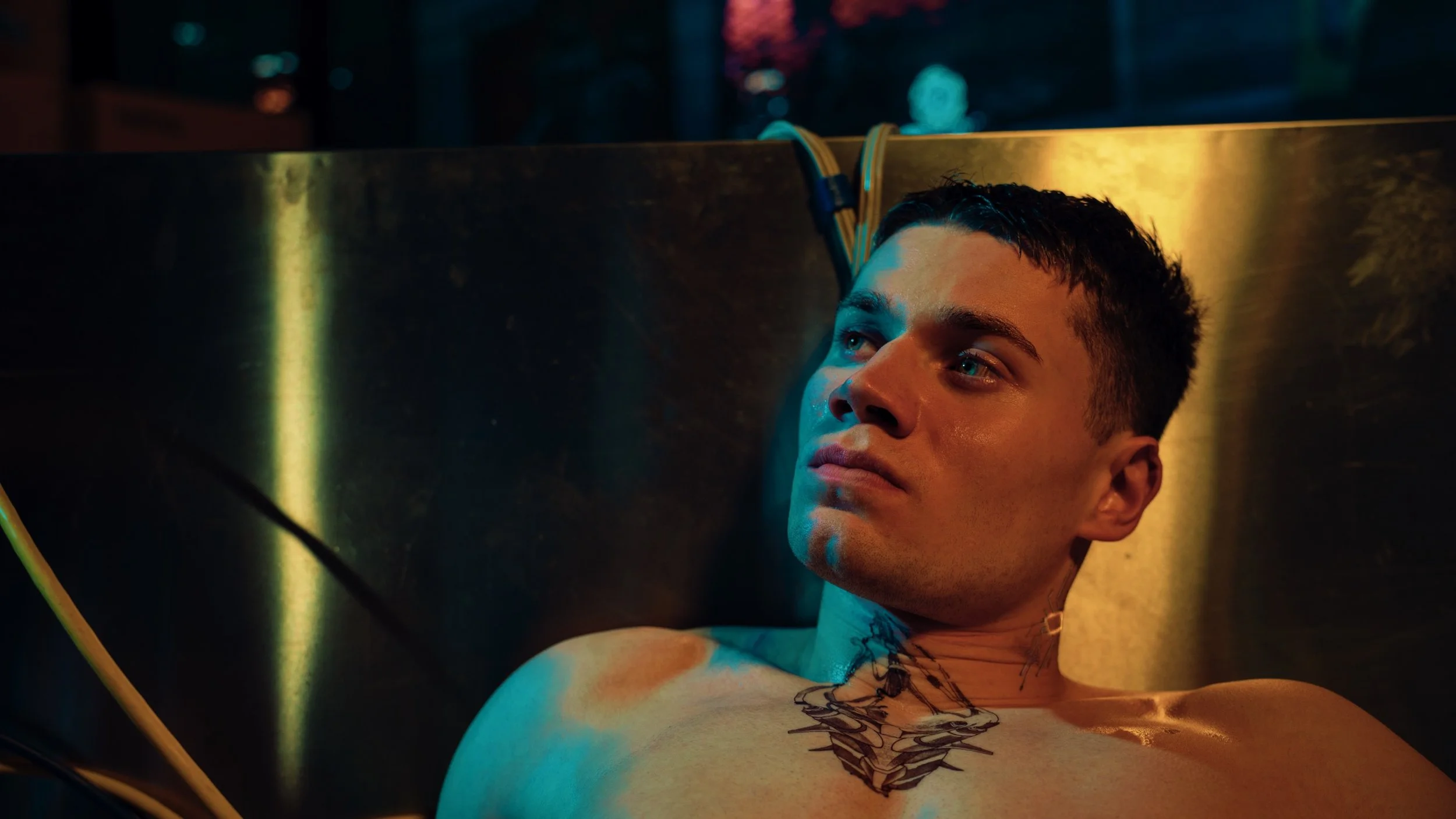
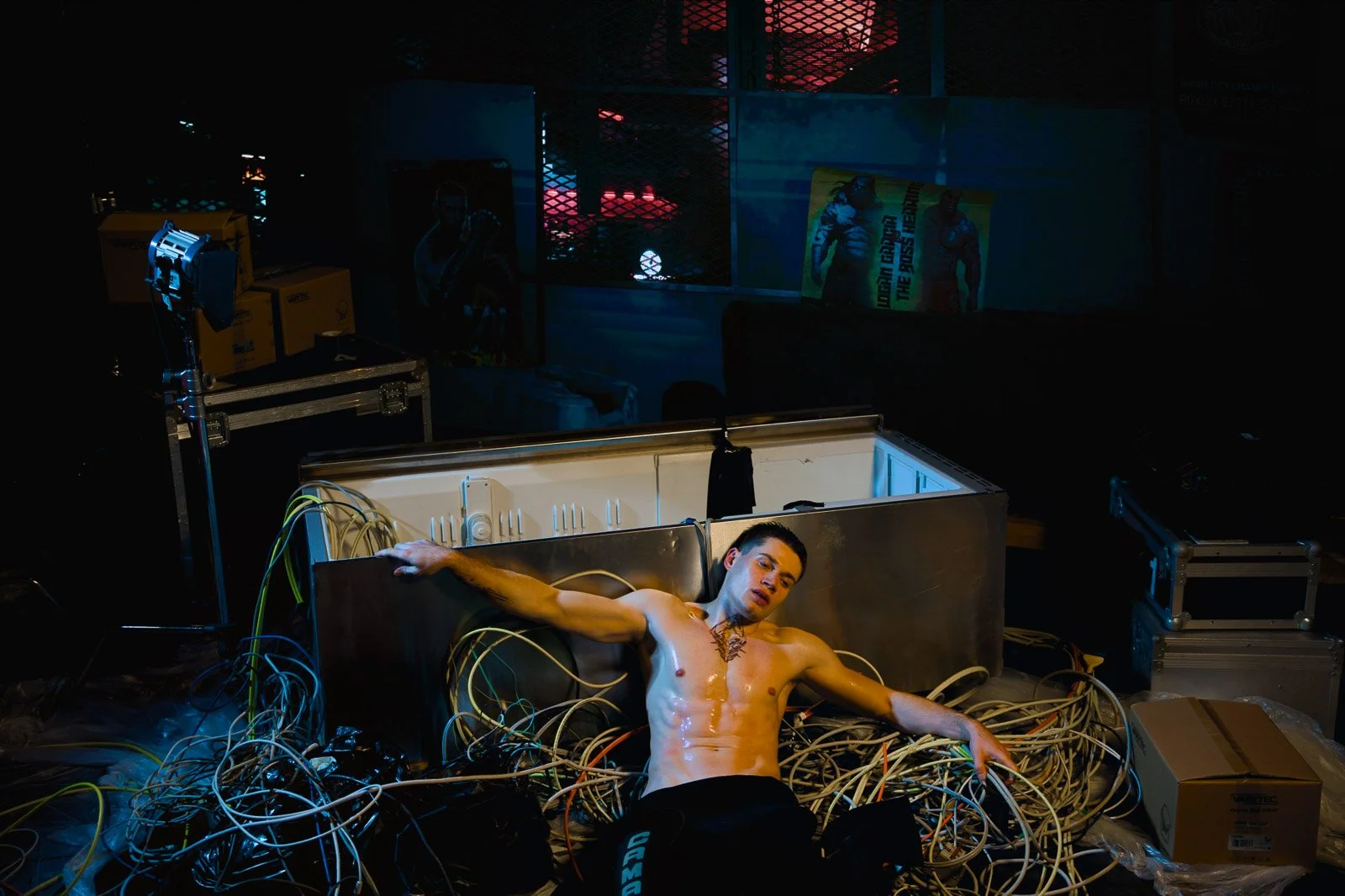
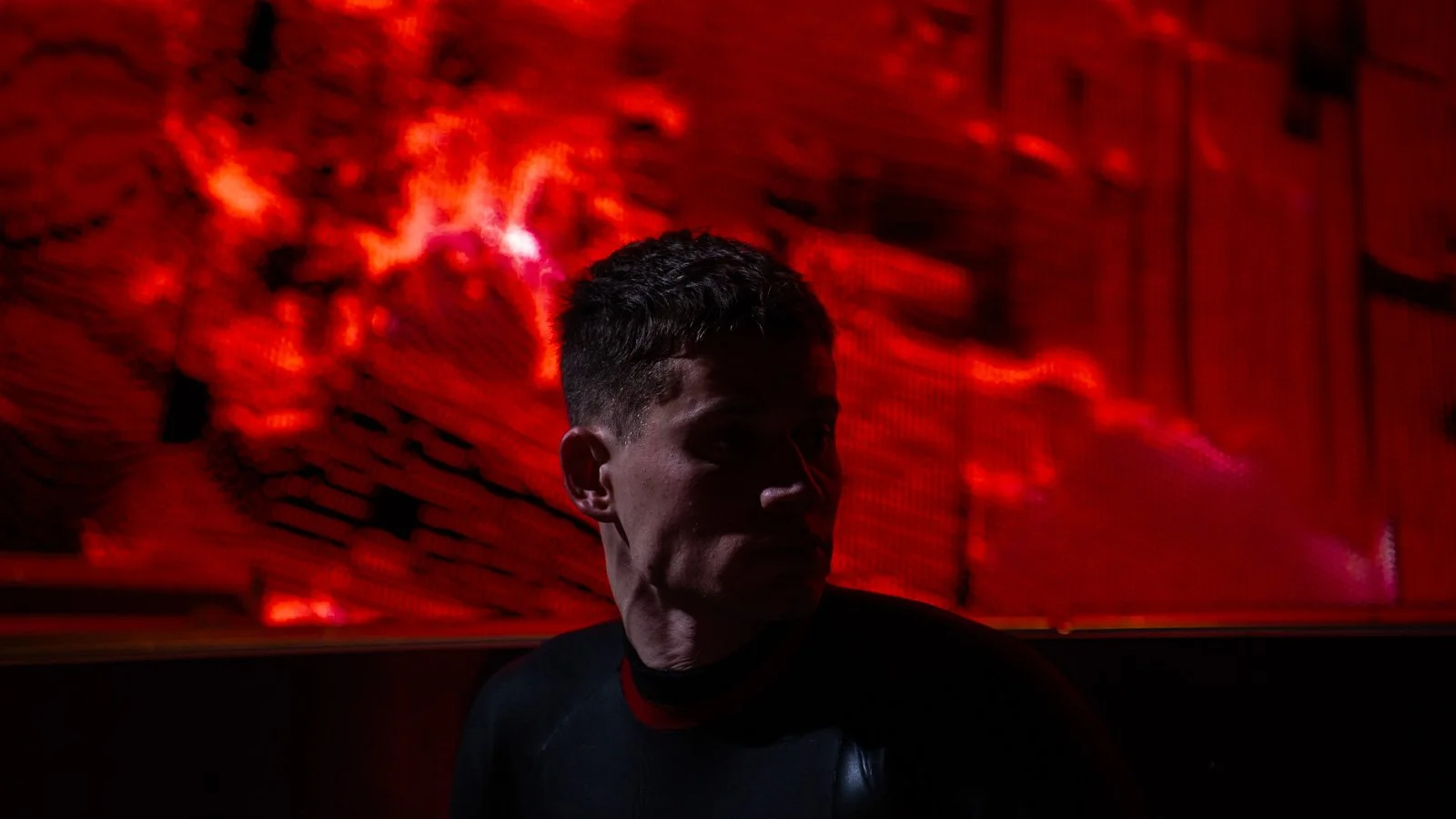
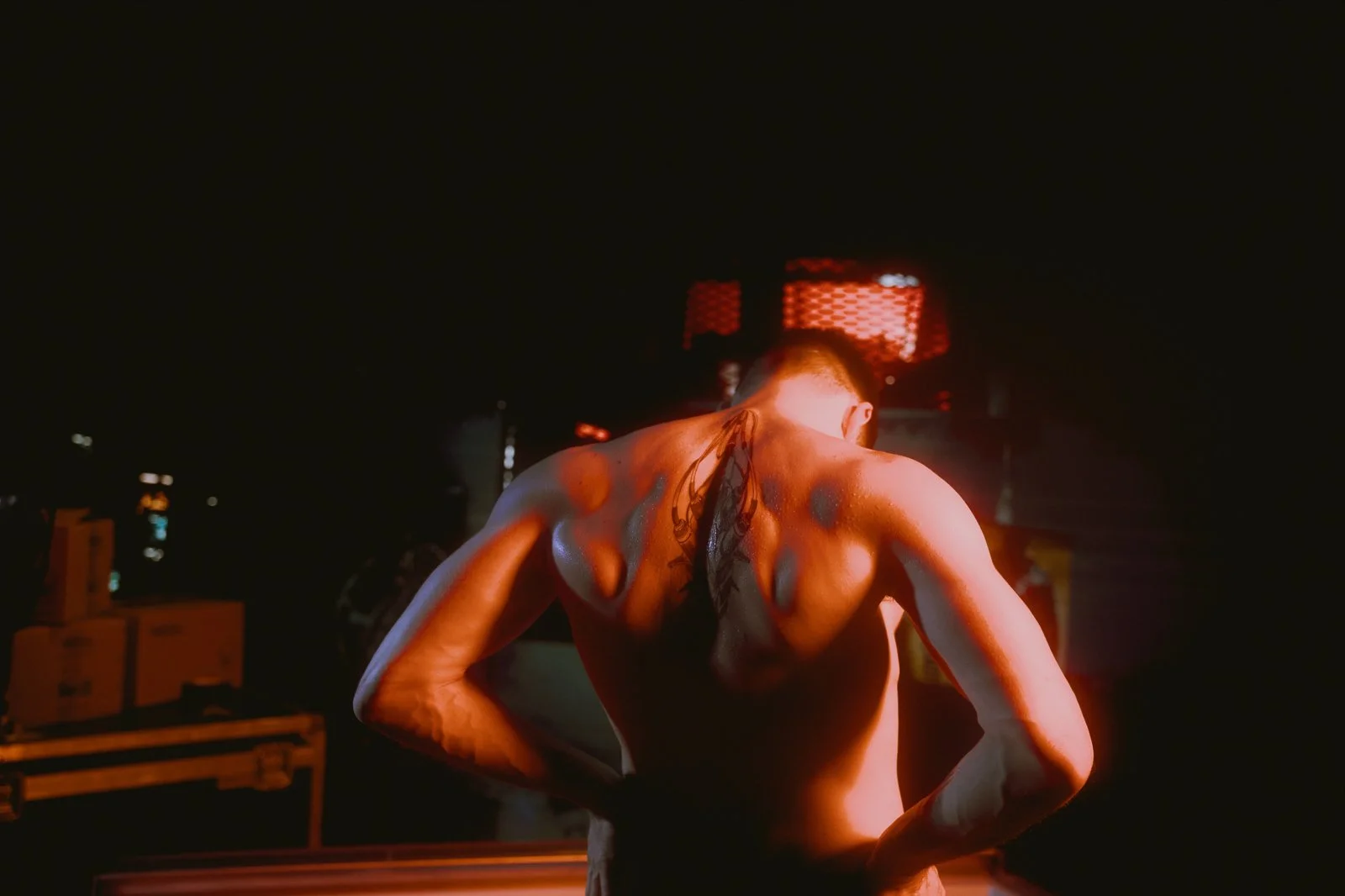
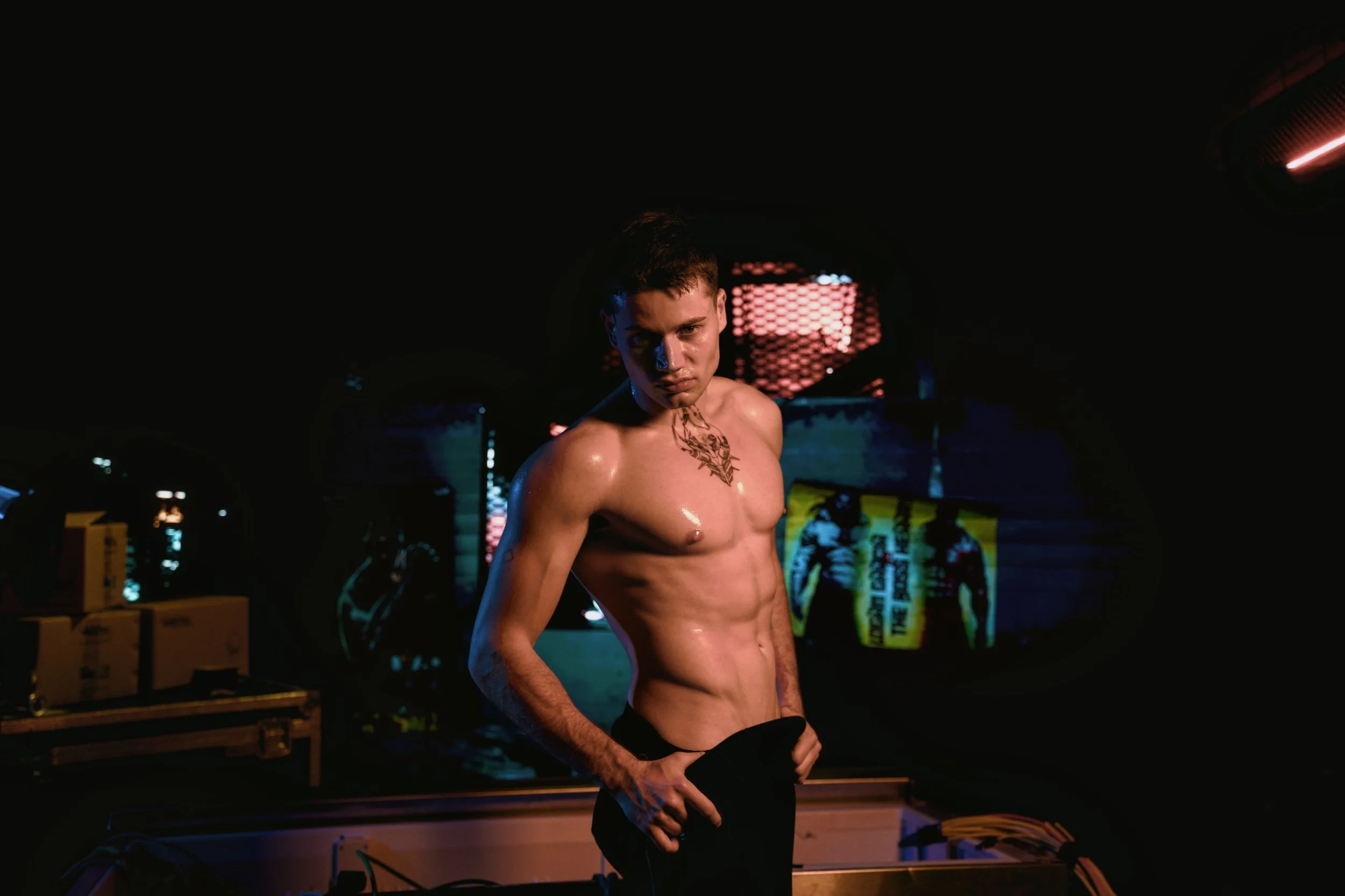
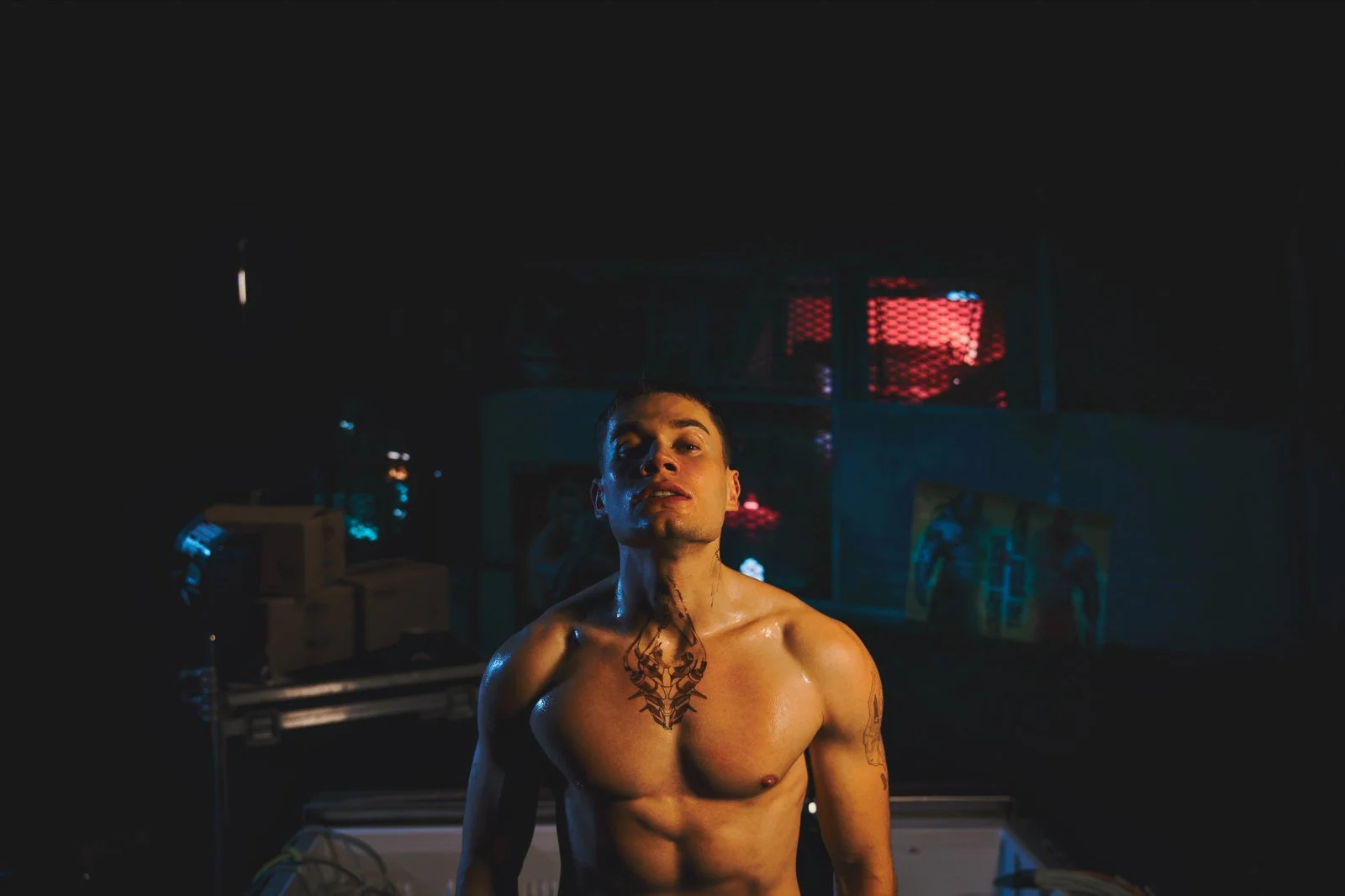
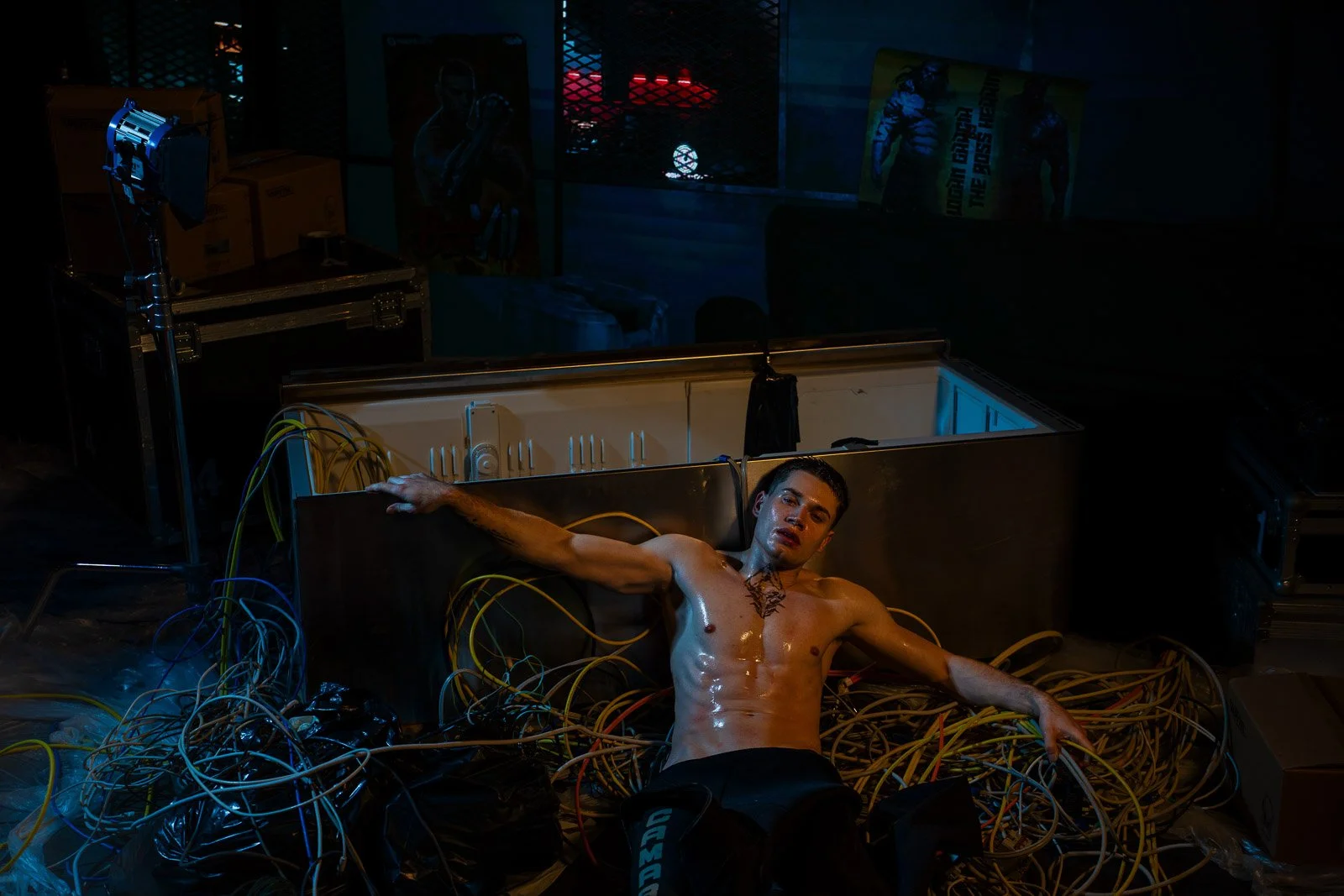
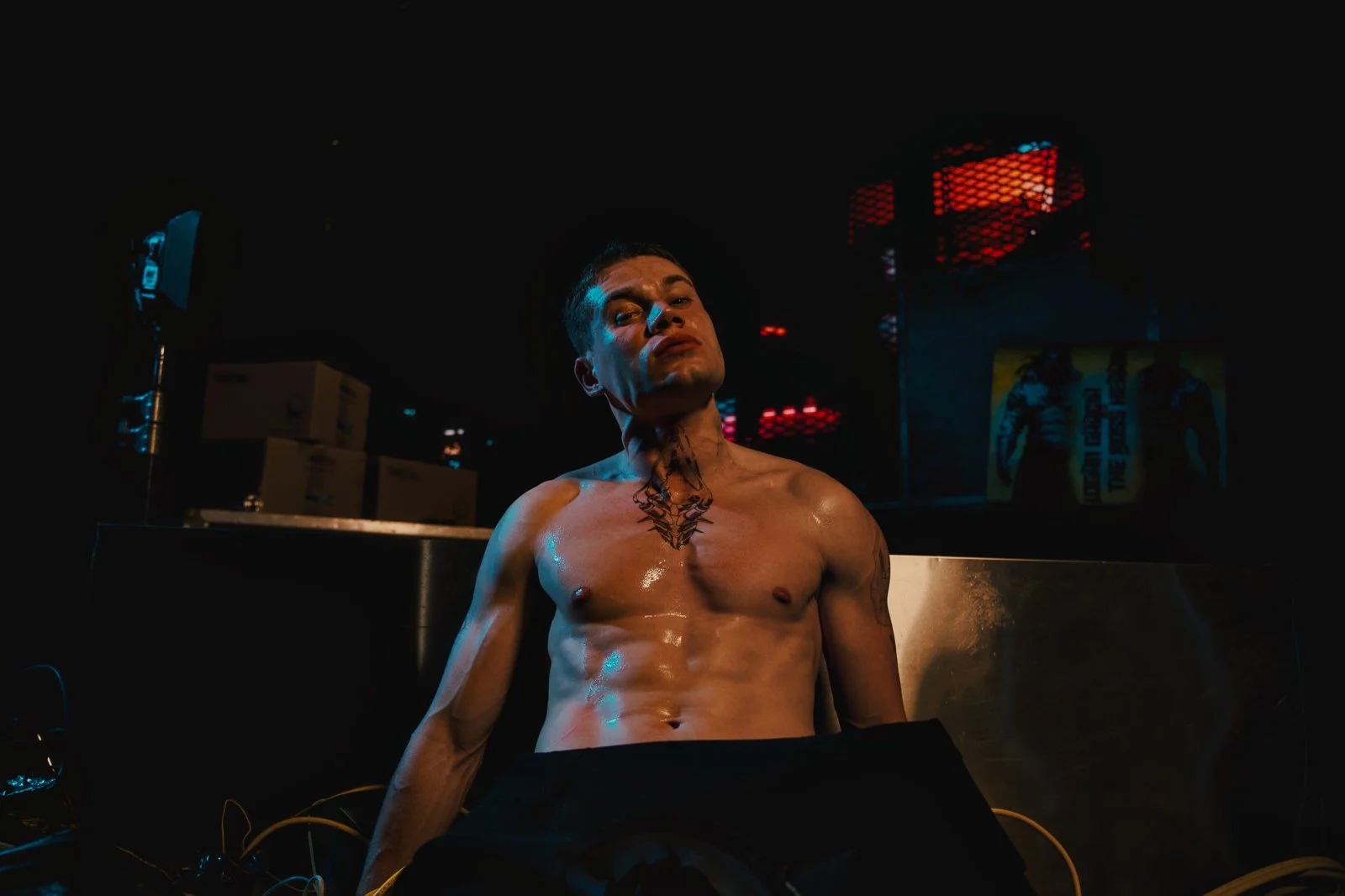
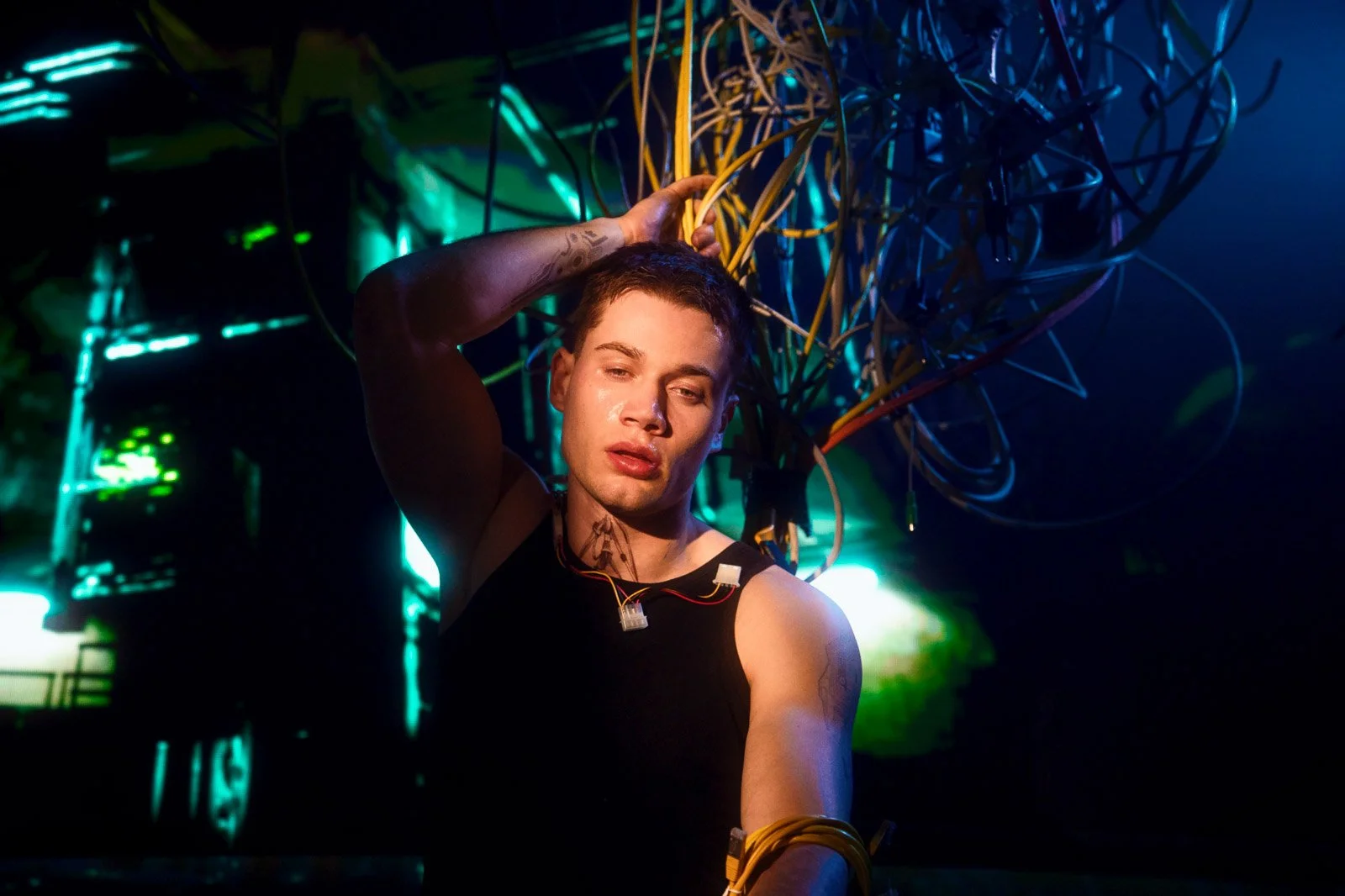
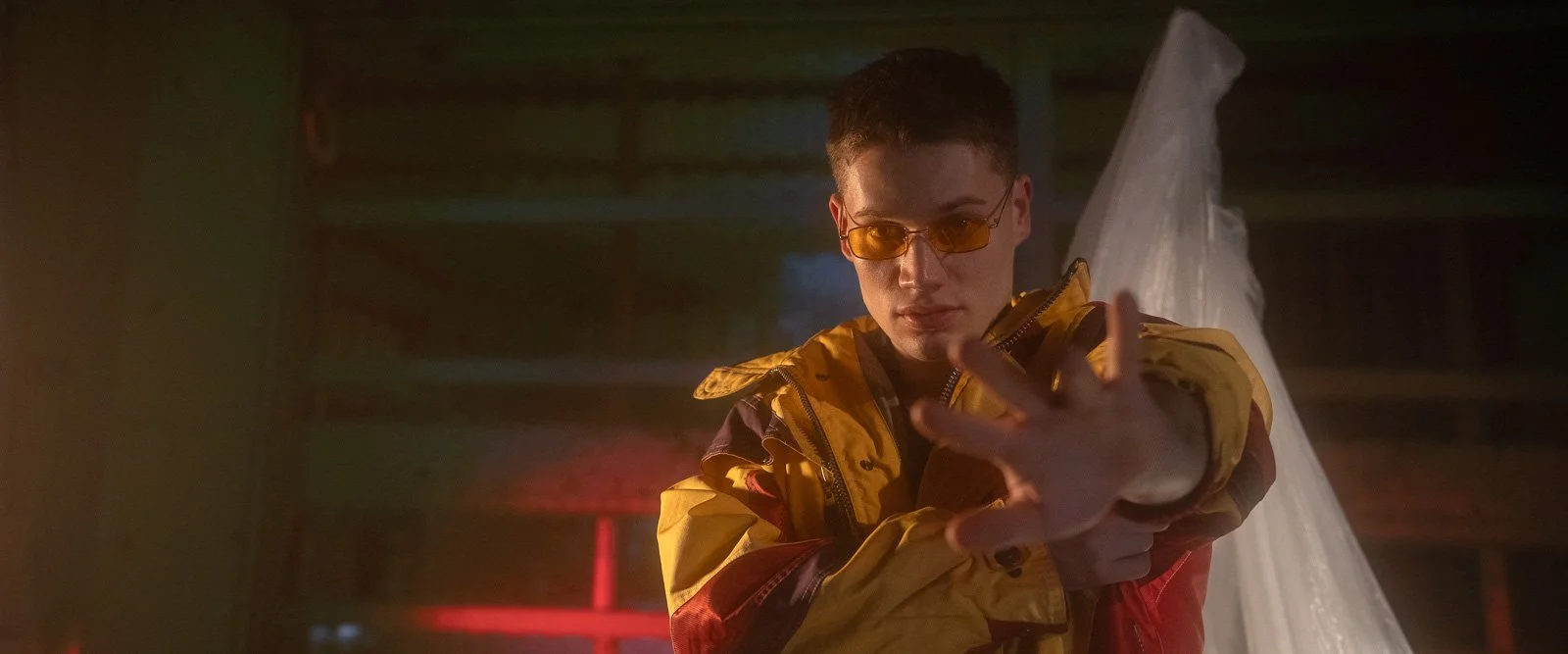
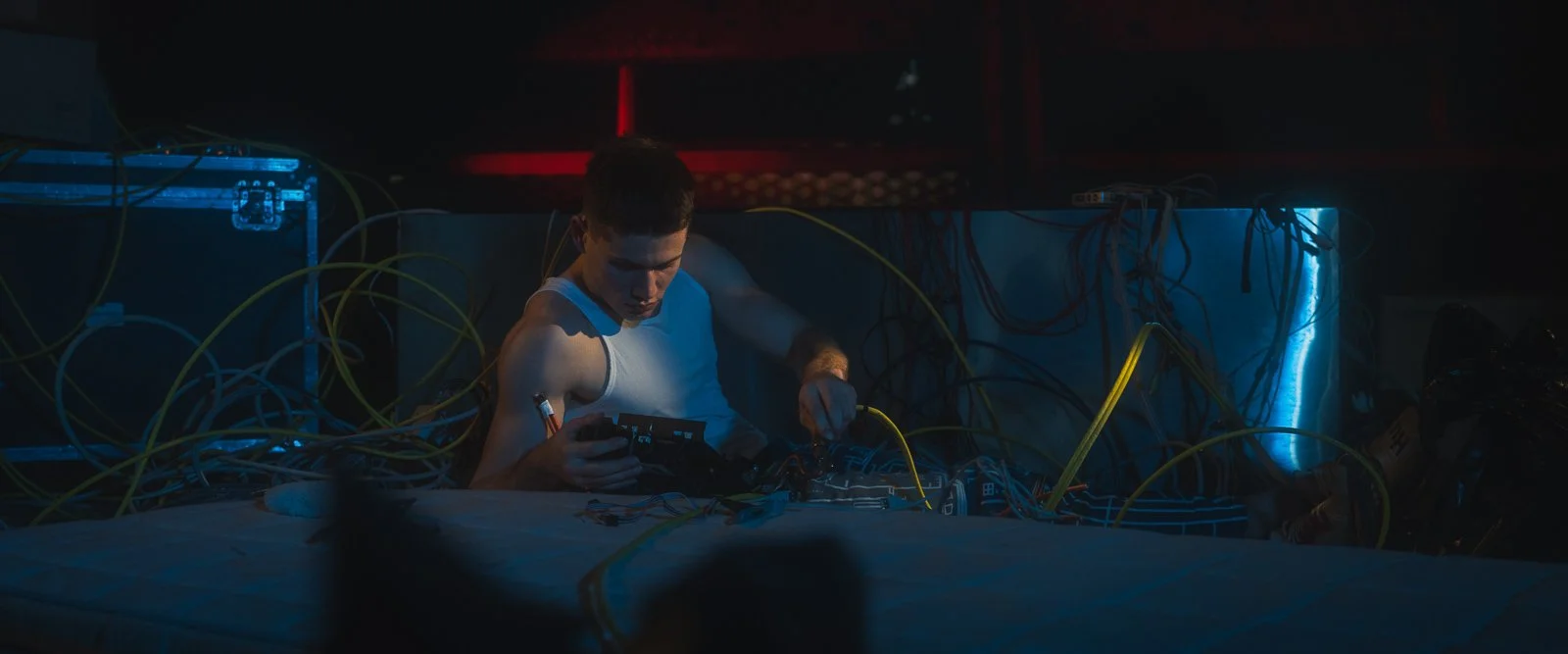
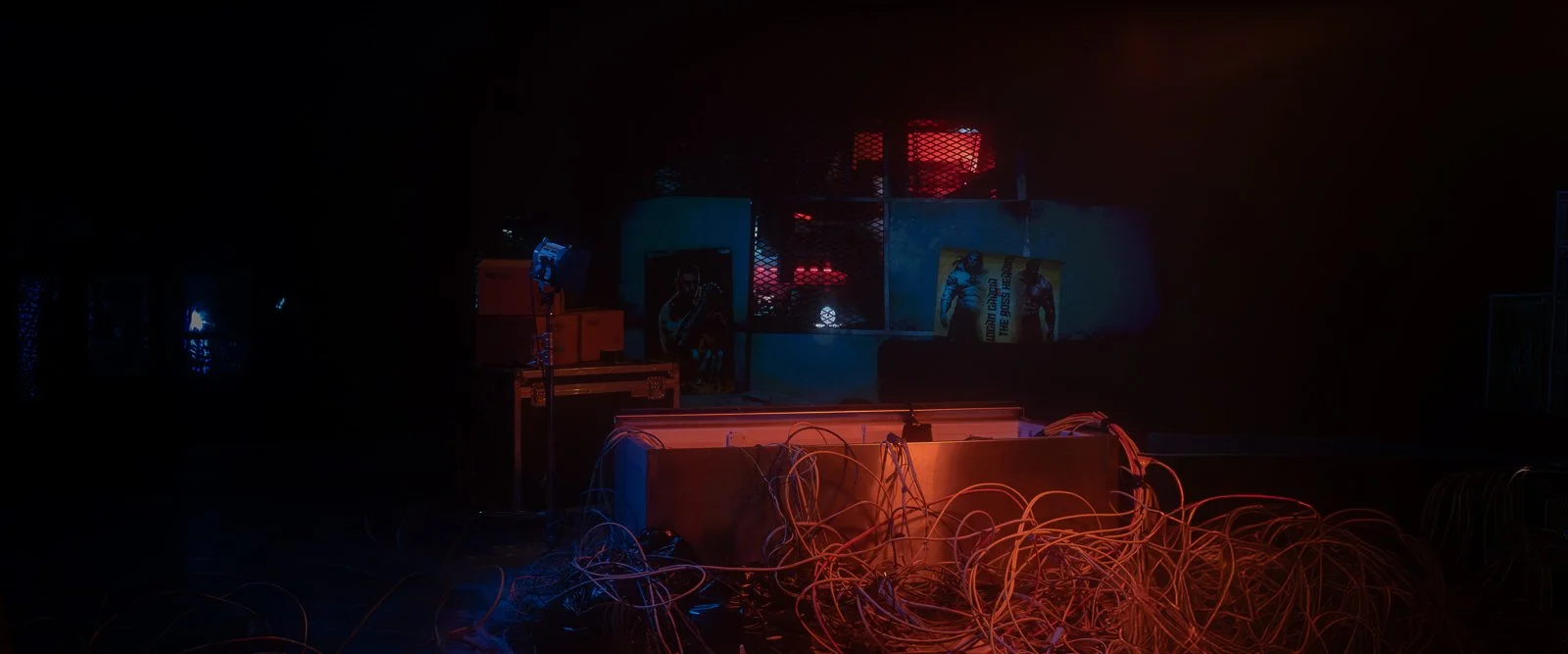
After our previous collaboration Future Relic, Laurits and I wanted to take the next project much further: not simply creating striking images, but building a visual narrative that could feel like individual frames from a film. Our shared love for cyberpunk - his largely shaped by Cyberpunk 2077, mine by Cyberpunk: Edgerunners - became the foundation. Having access to our university’s large studio was a huge blessing: alongside professional lighting, a green screen and plenty of space, we had a portable 3x3 meter LED wall. We connected our own PC, entered Cyberpunk 2077 and used locations from the game itself as live digital backgrounds. Weeks of preparation followed, collecting cables and electronic waste, sourcing outfits, tattoo stickers, dog tags, an electric violin and even a full-size refrigerator intended to become a deep-dive ice tank. The project kept growing until the preparation itself became almost a creative laboratory.
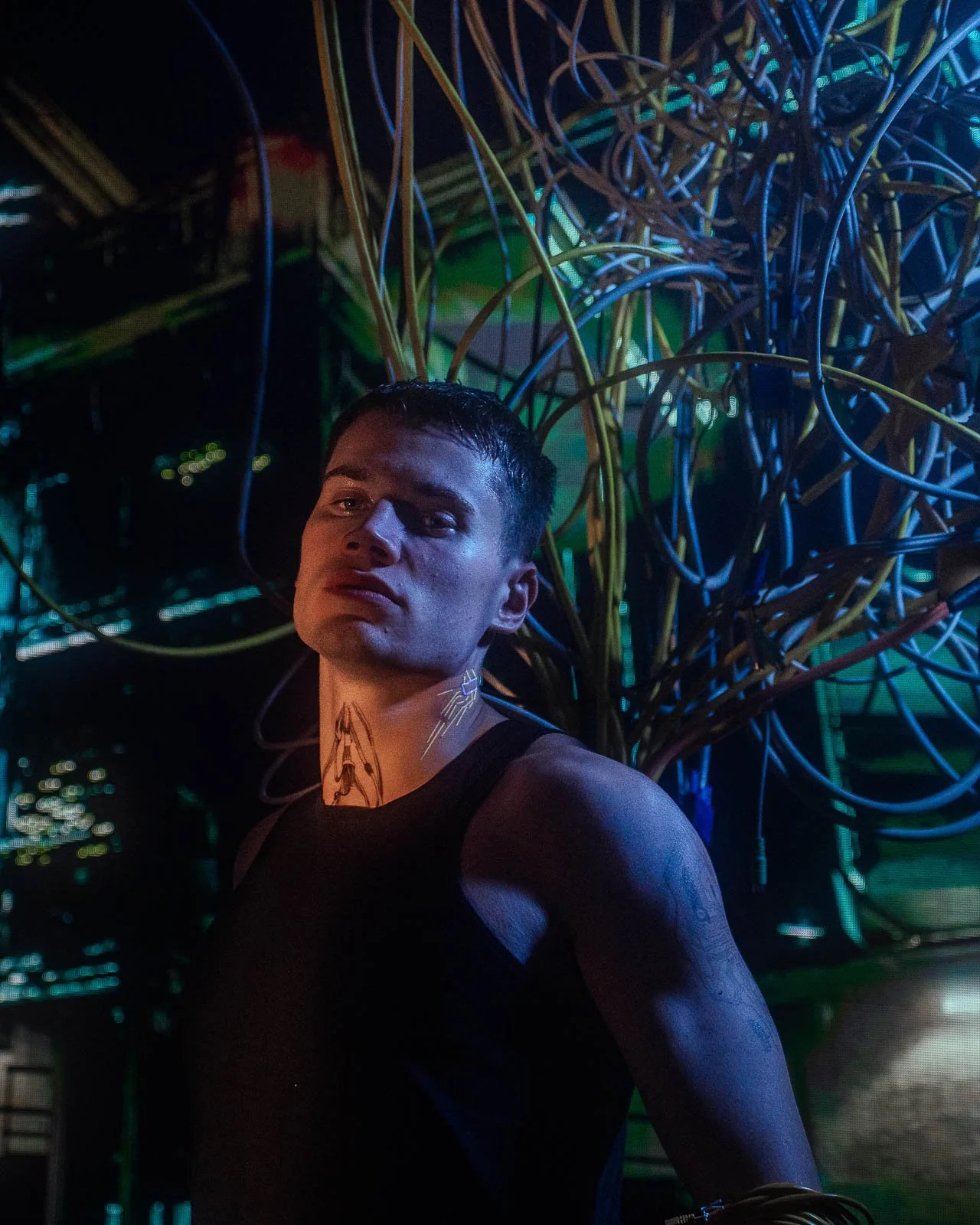
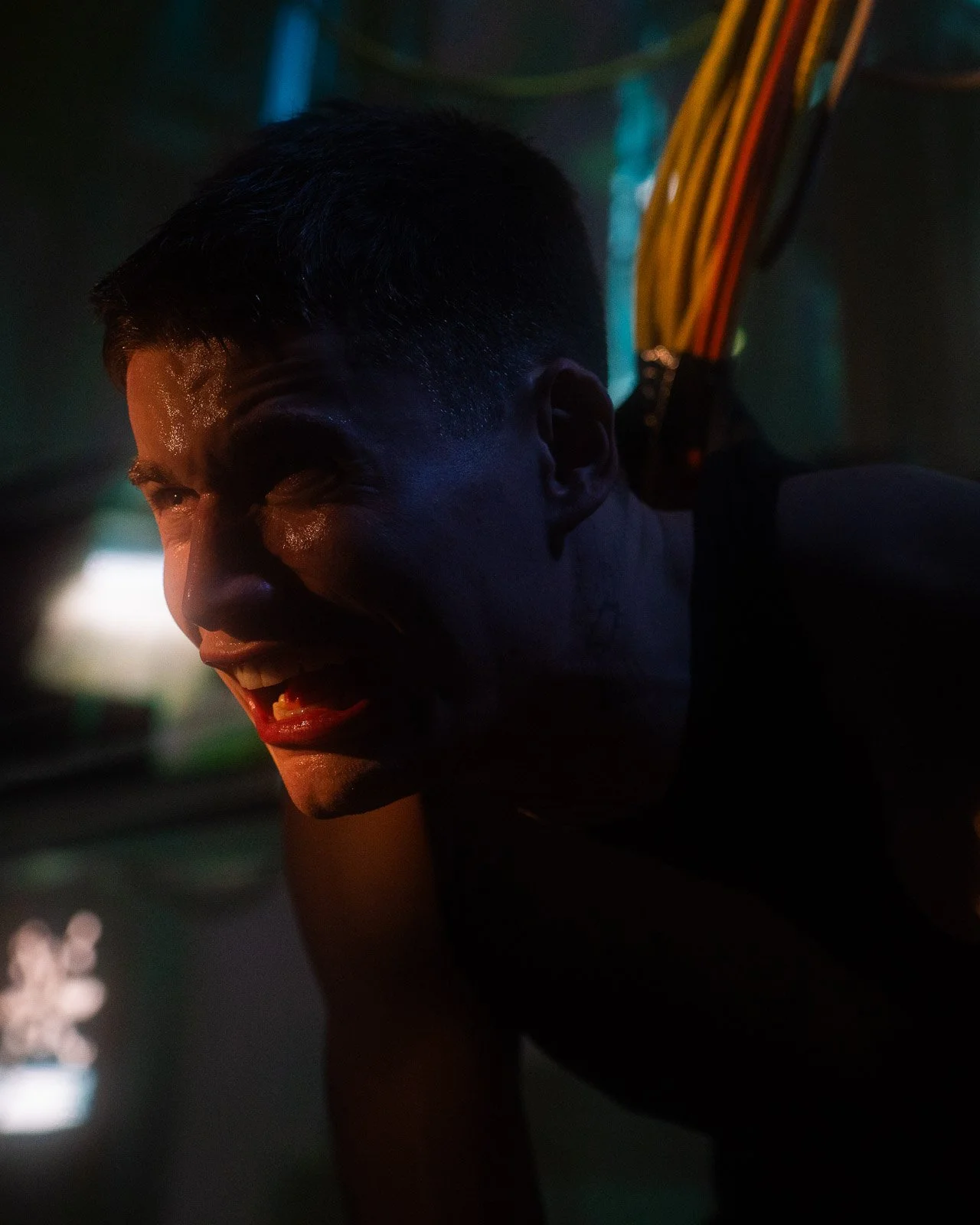
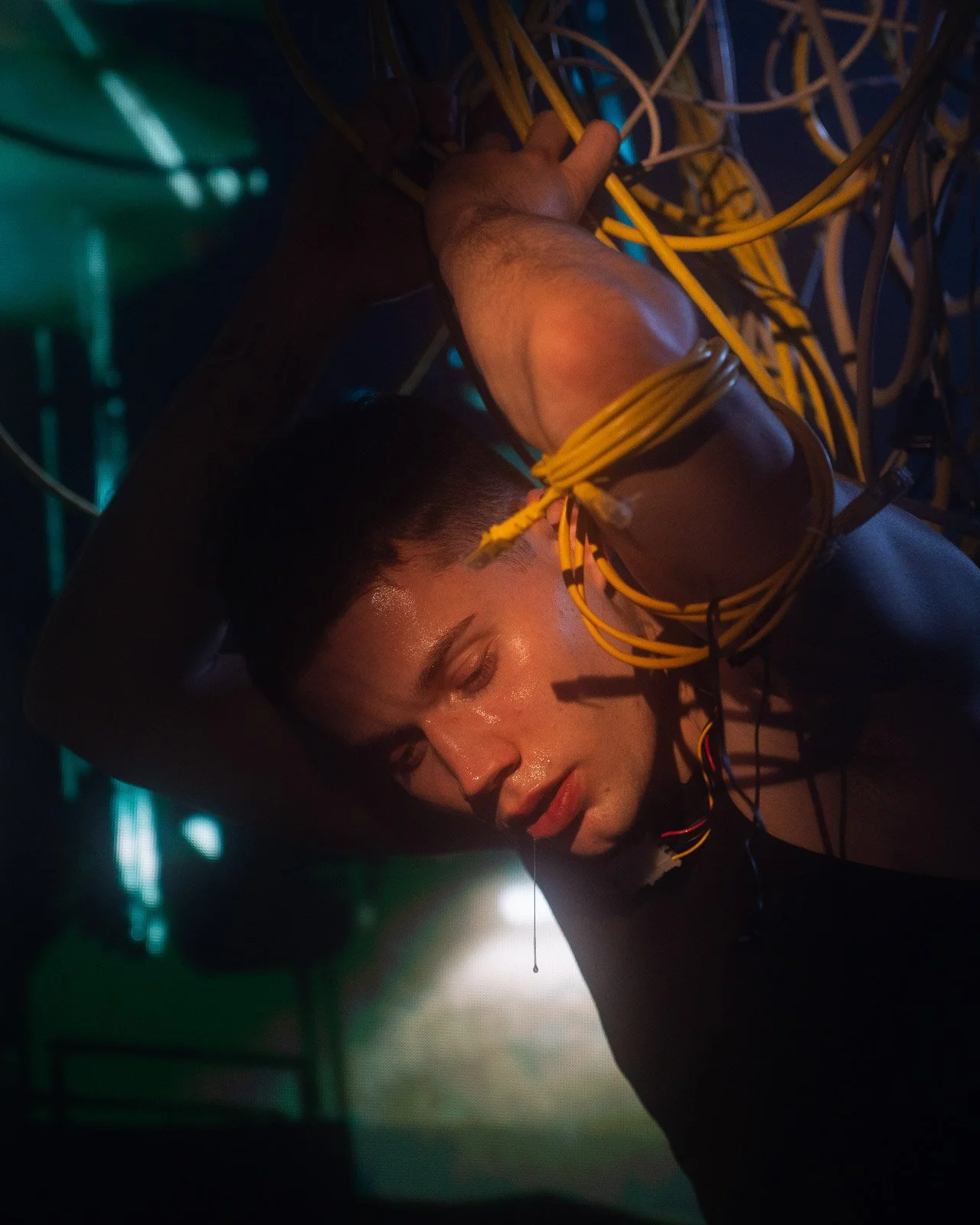
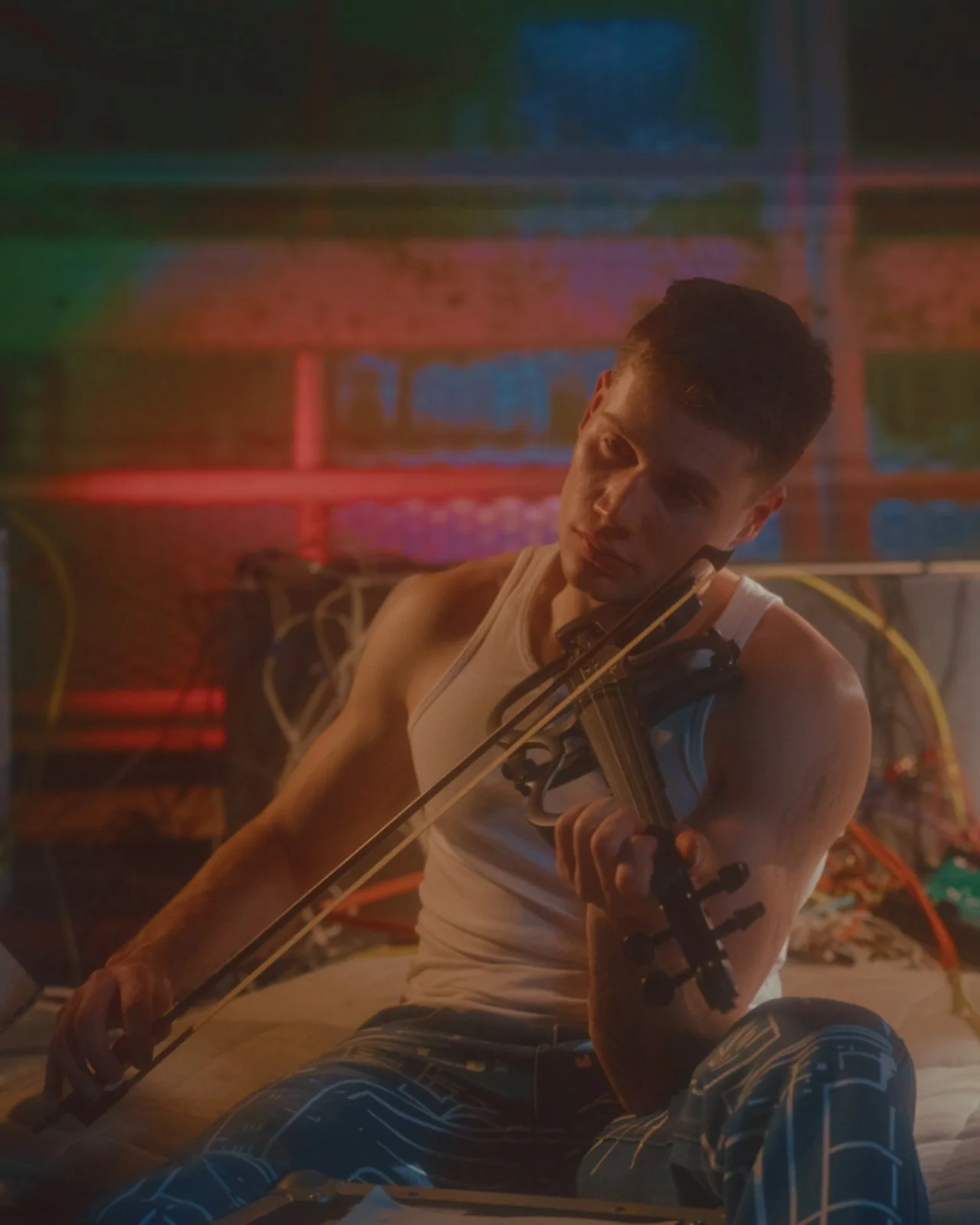
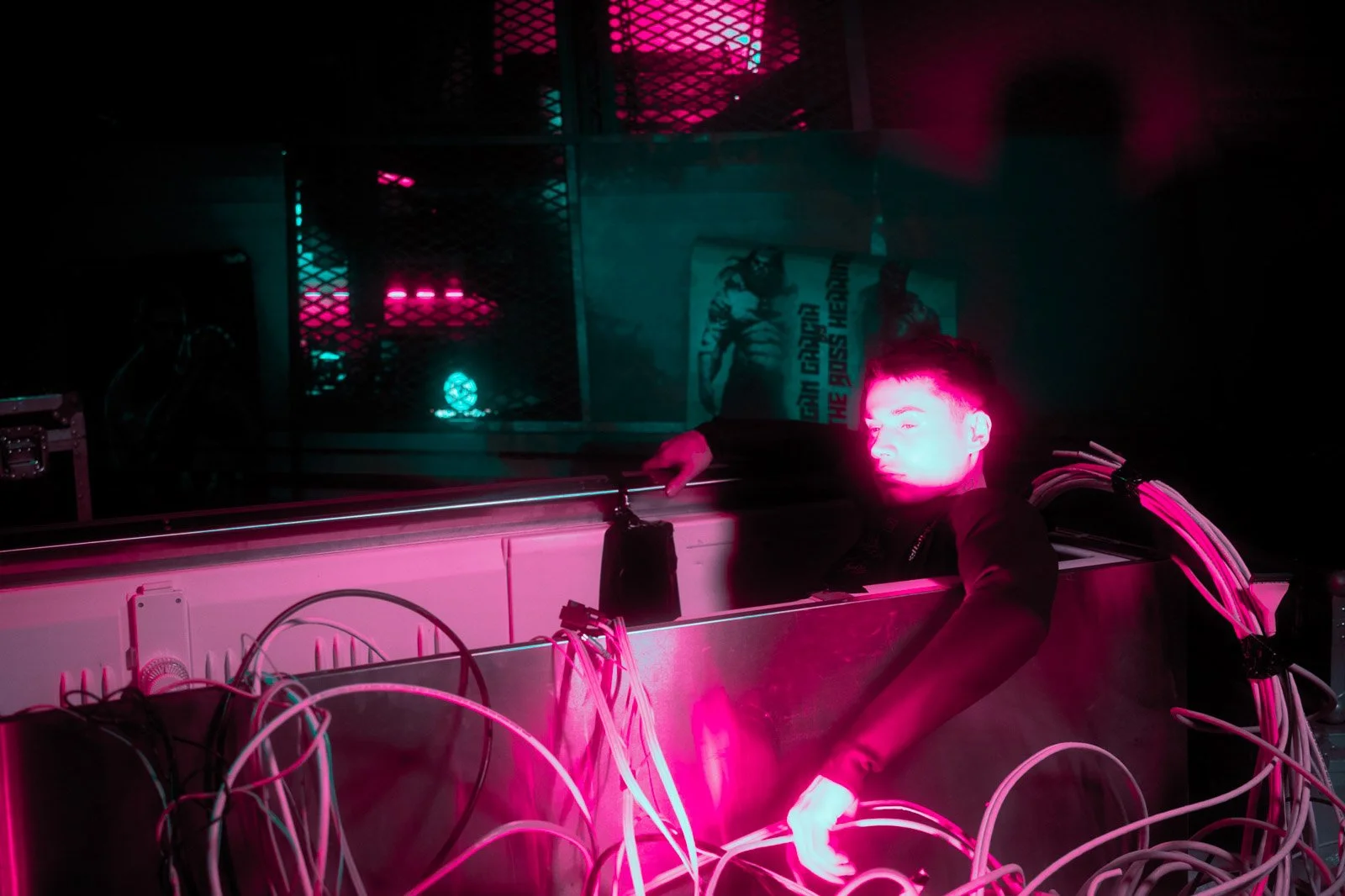
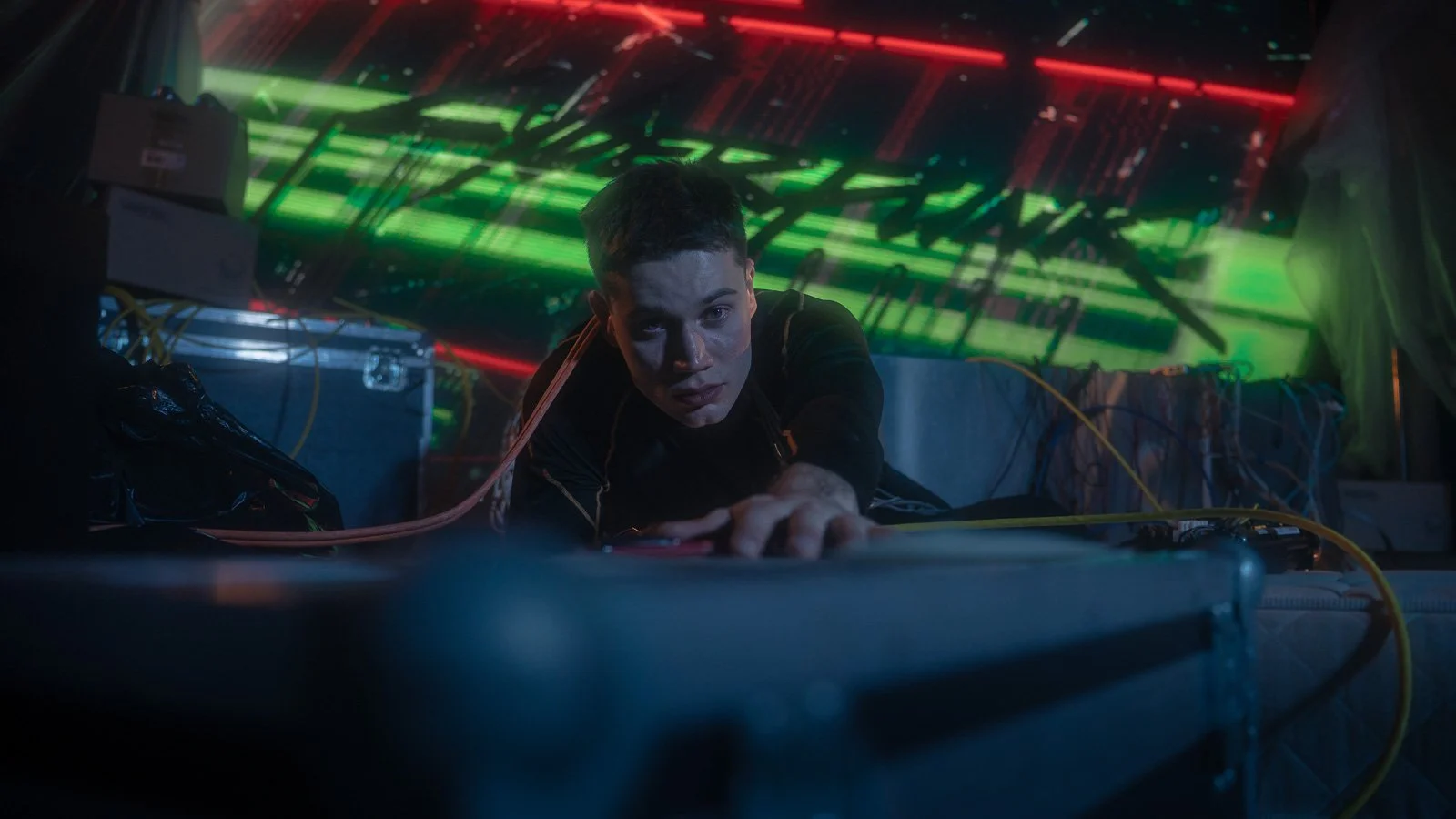
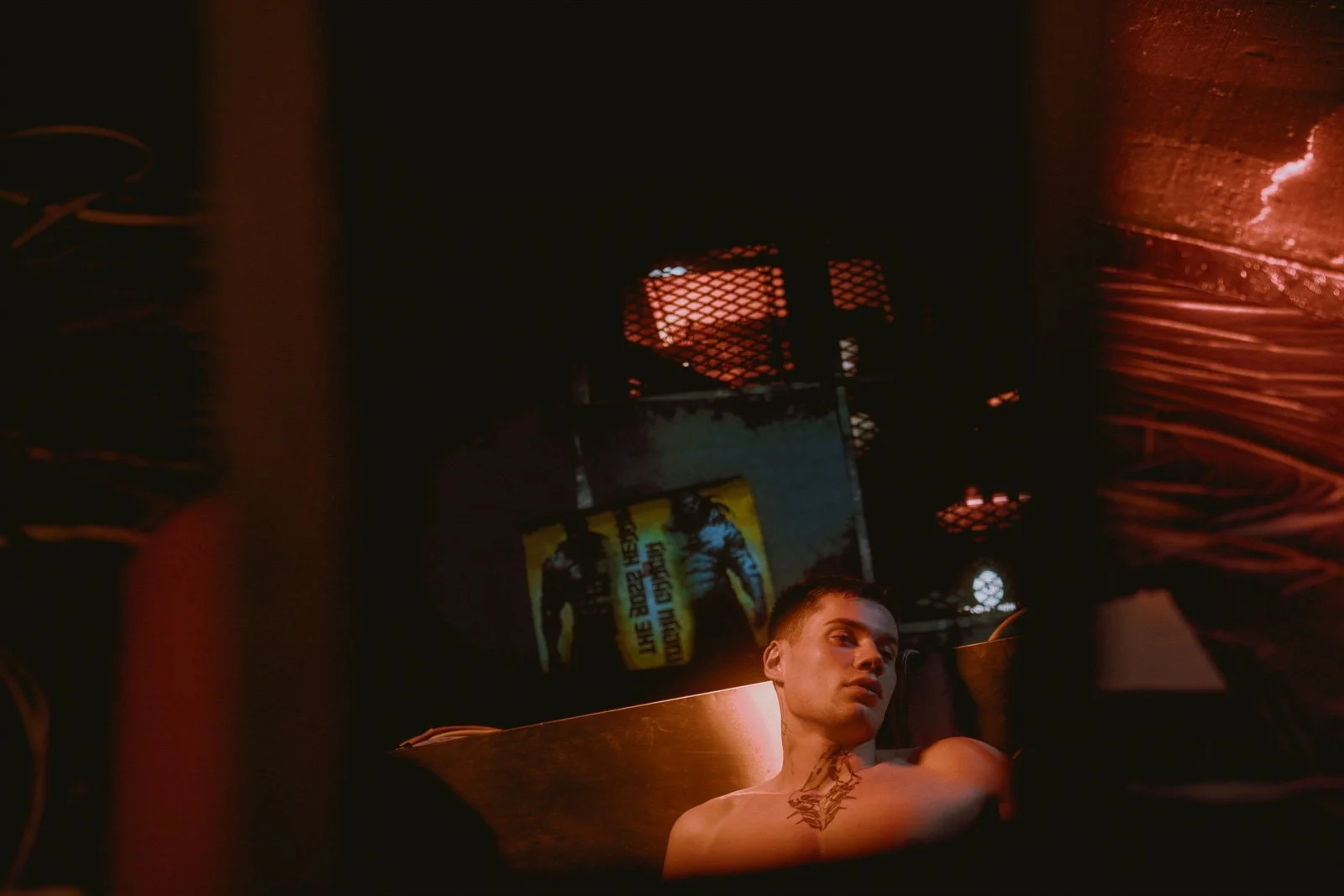
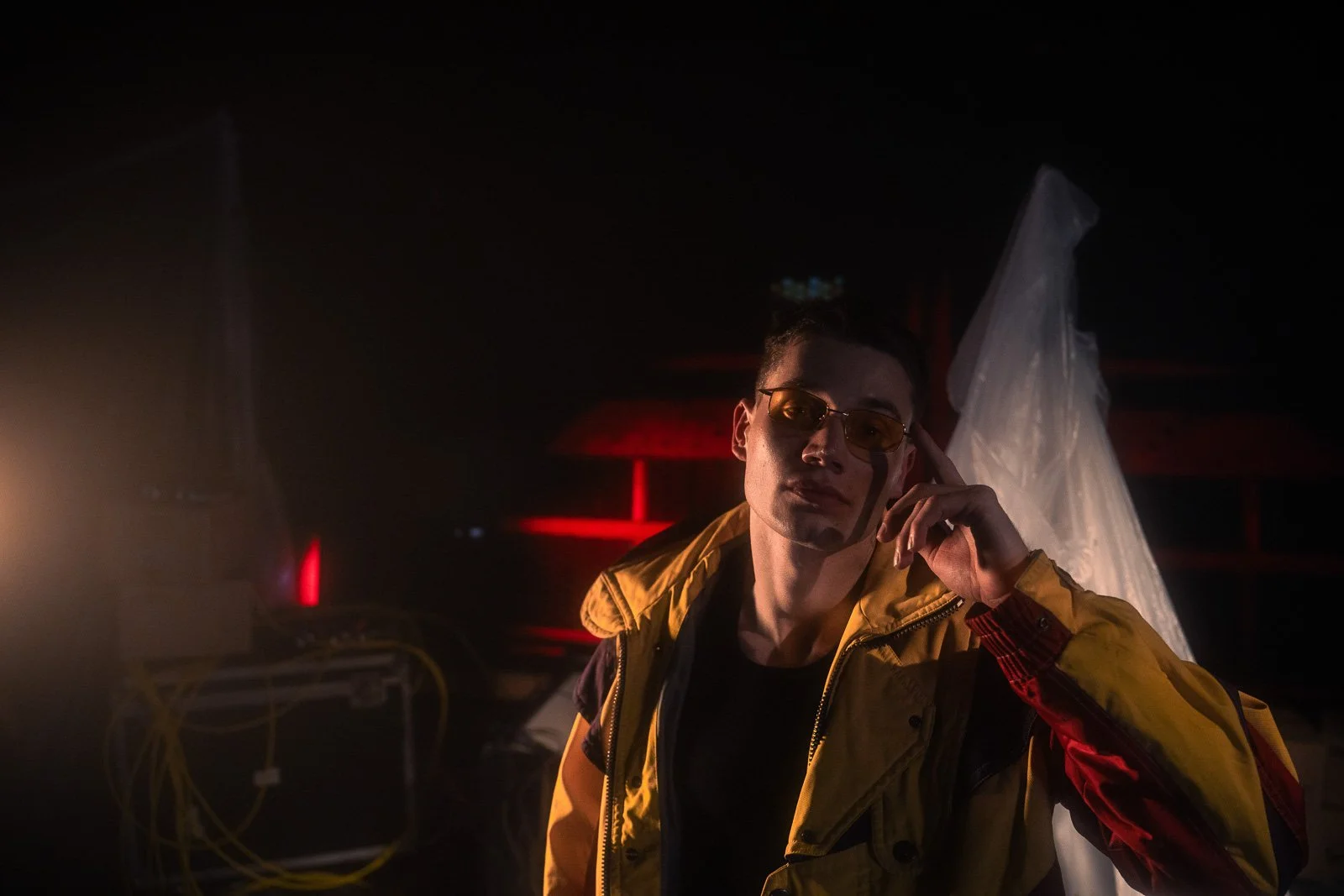
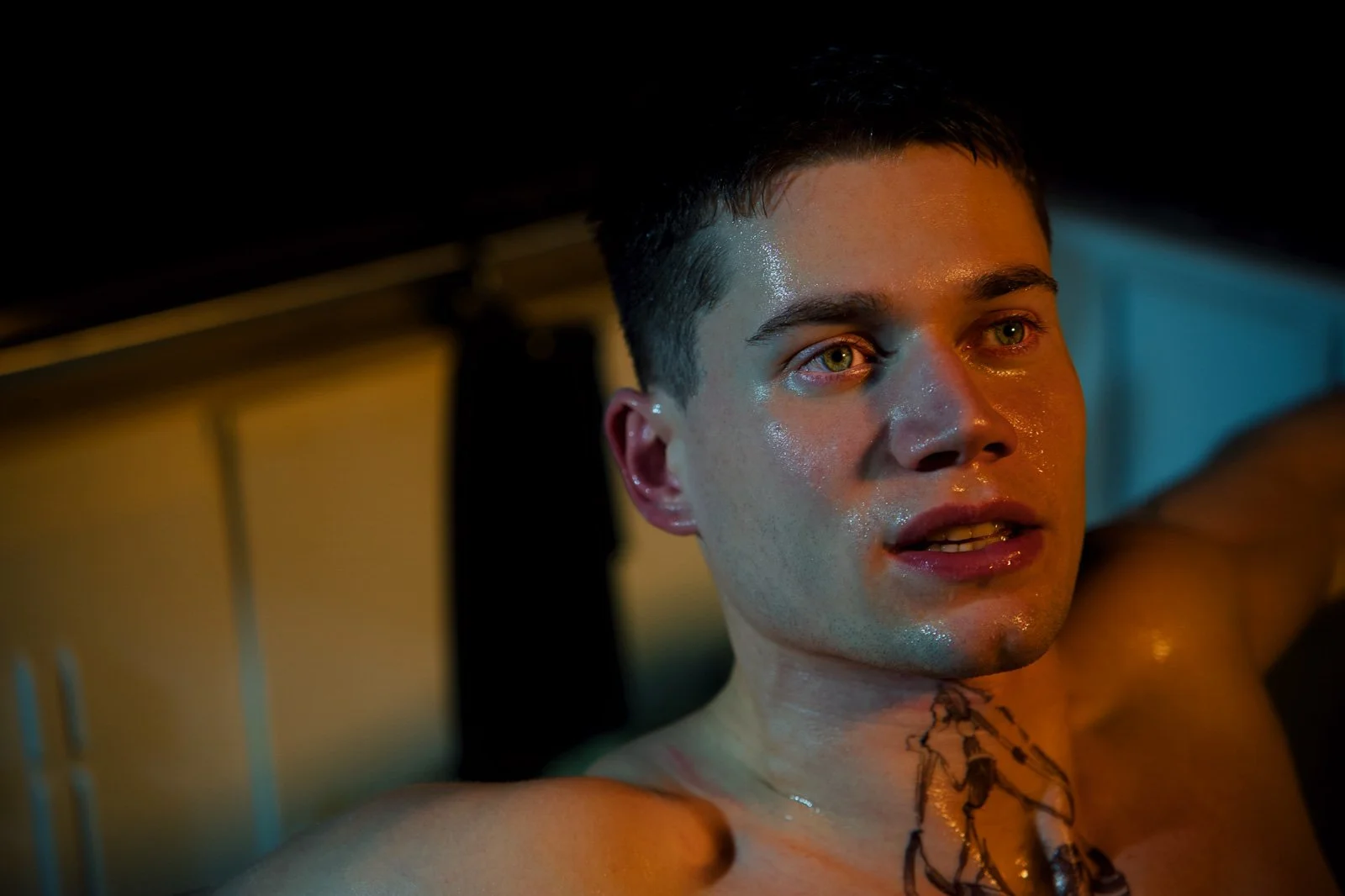
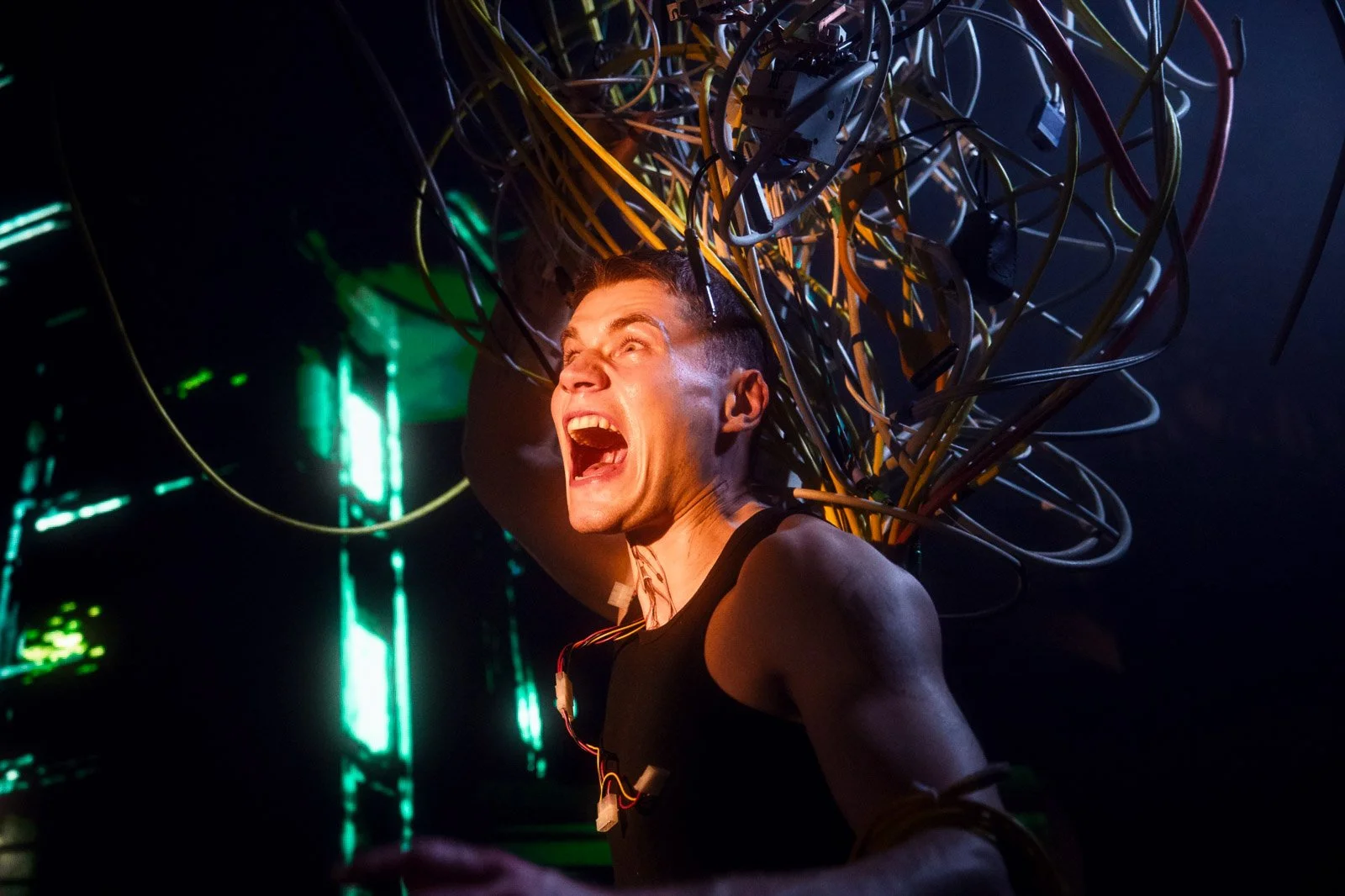
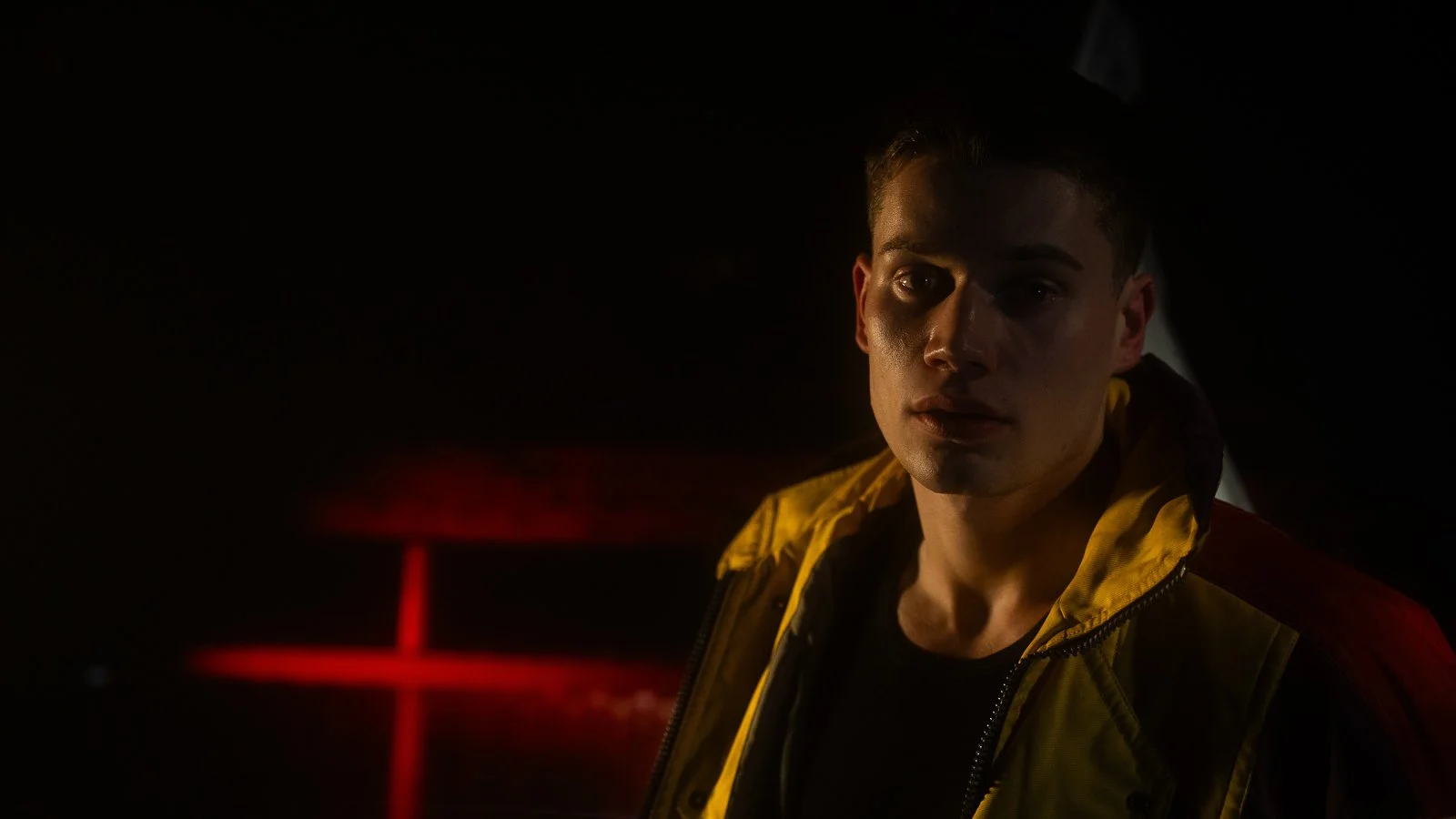
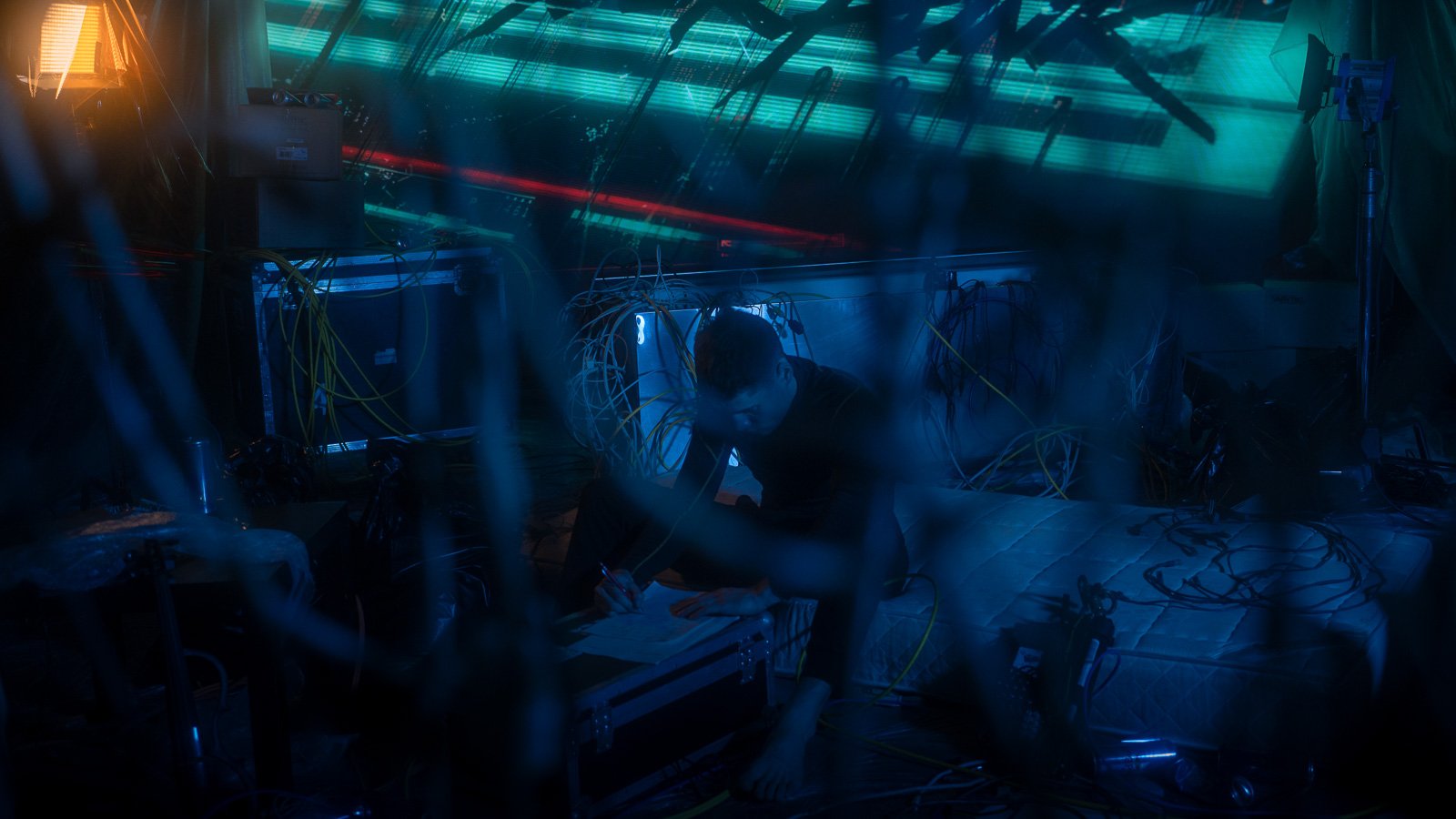
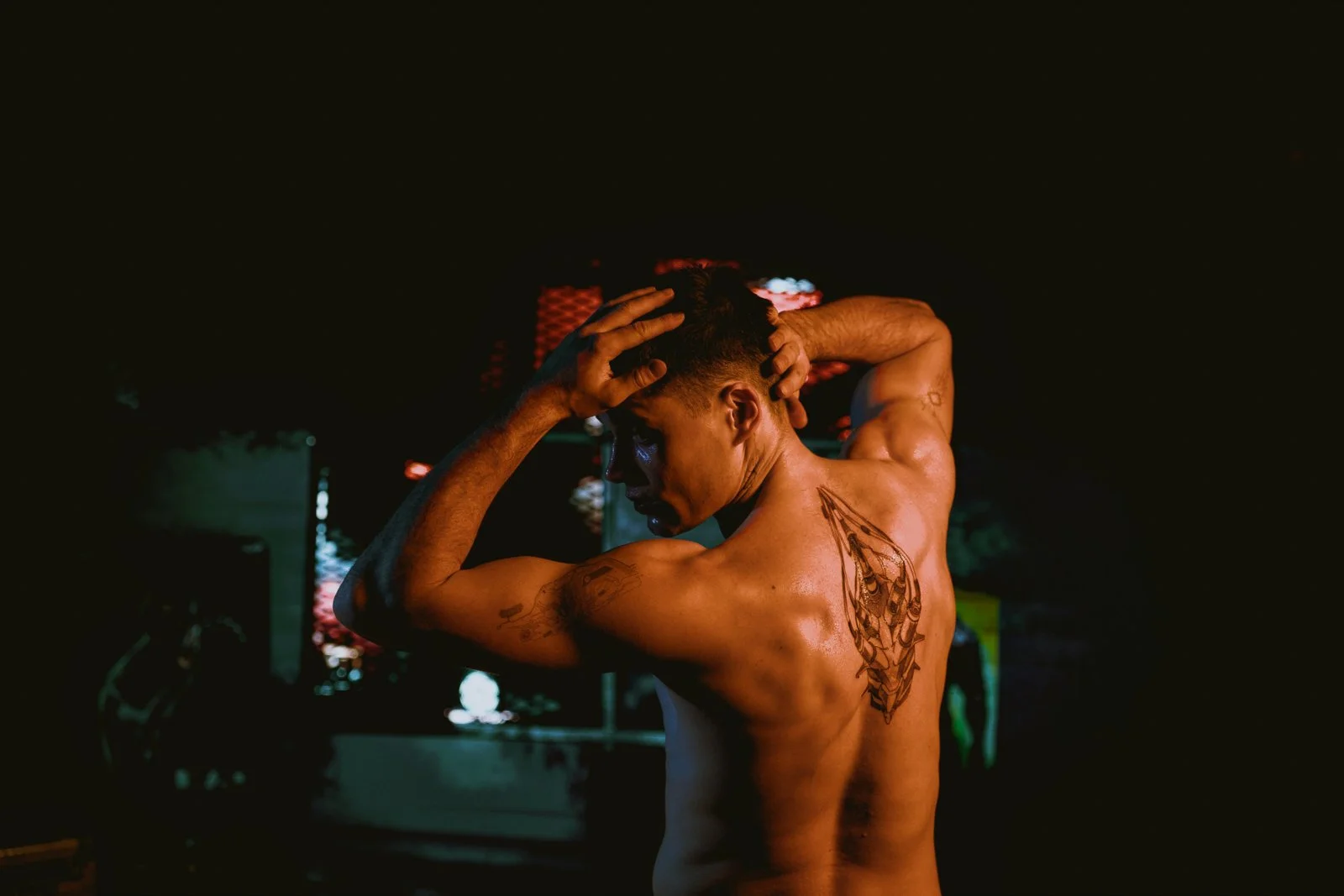
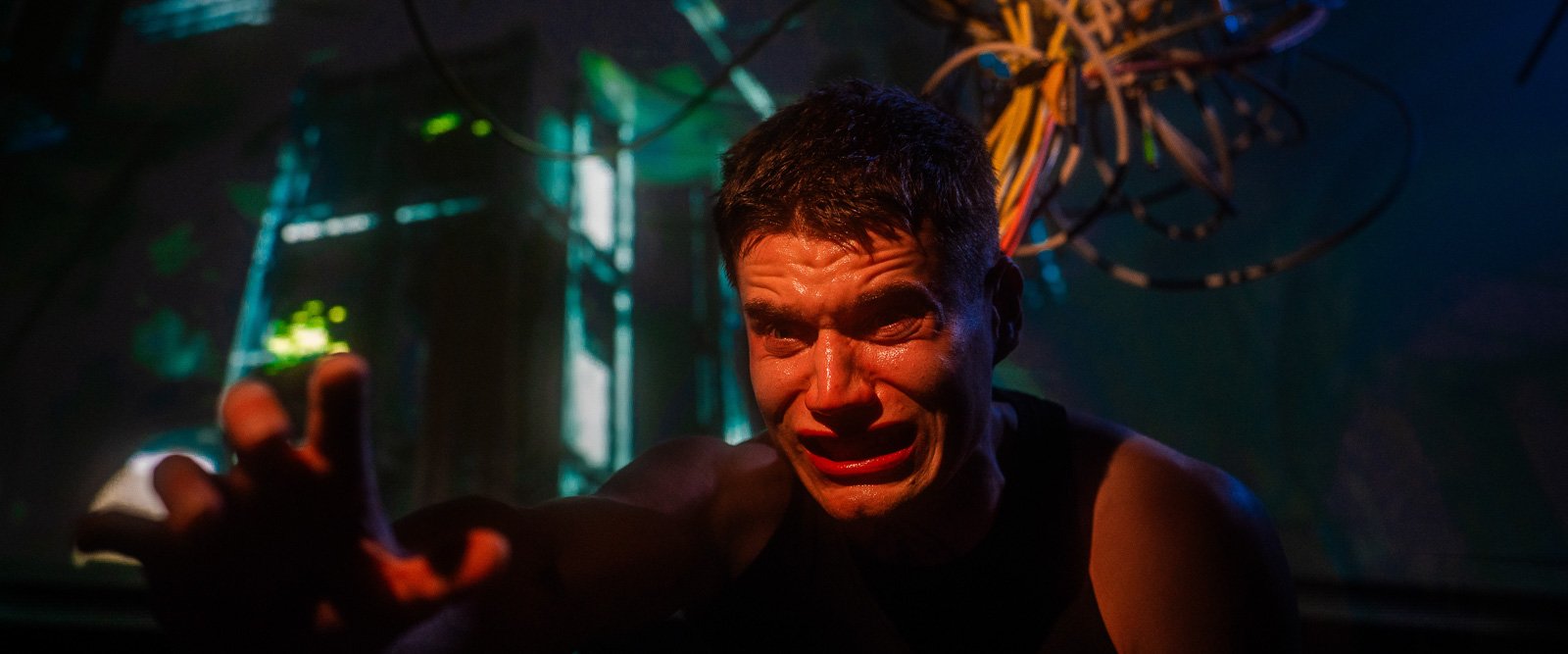
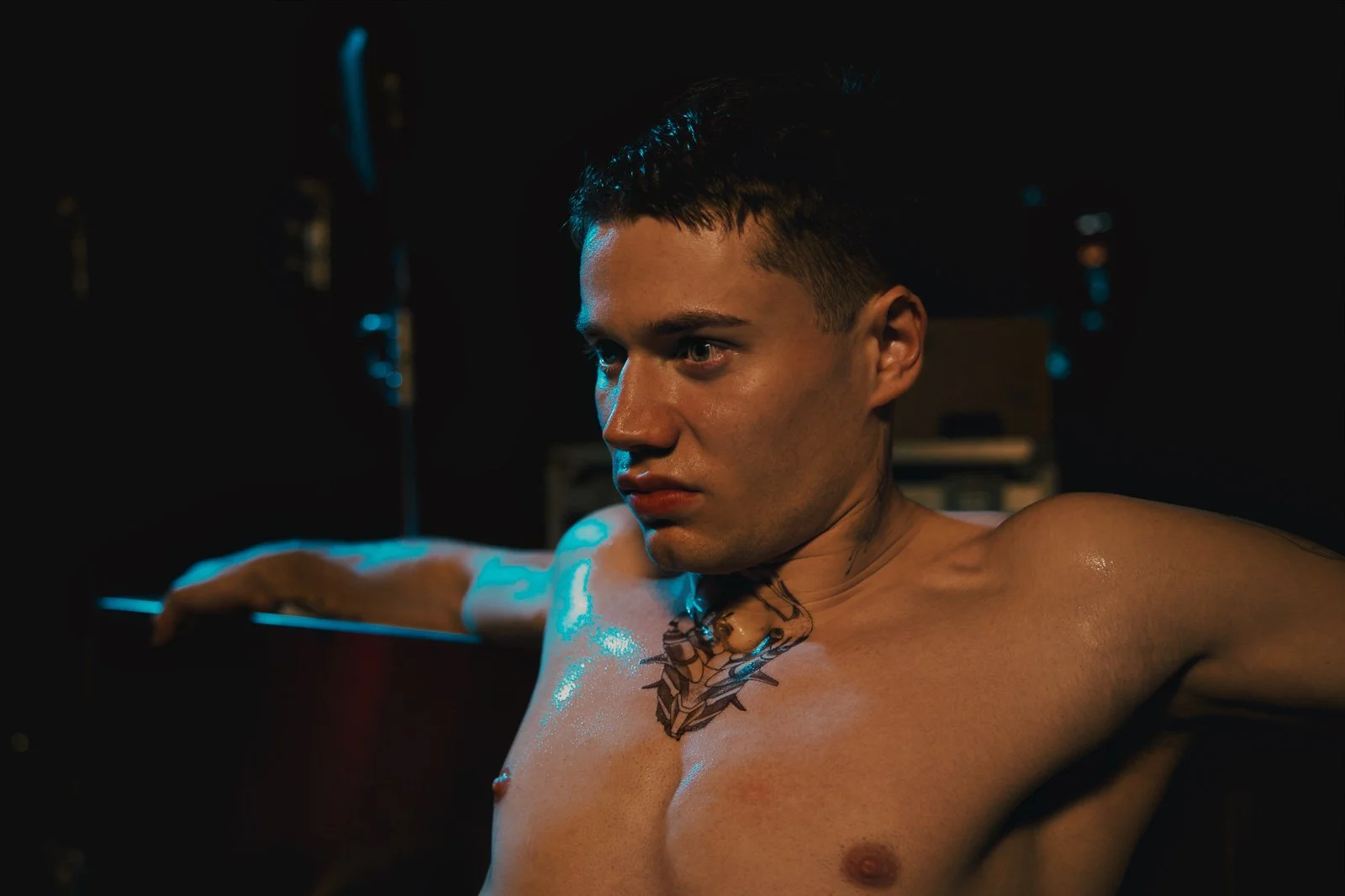
After weeks of preparation, we had only one day to actually shoot - roughly 15 hours of almost continuous production. Realistically, the material we had prepared could have filled three days. With Laurits essentially operating everything behind the camera, we were heavily understaffed; Mahdi Safi joined us as a lighting assistant for around two hours, which immediately showed how useful another pair of hands would have been. We experimented relentlessly: multiple cameras, cinematic stills extracted from moving footage, extreme aspect ratios, drone shots and radically different approaches in postproduction, ranging from realistic and cinematic to grotesque, surreal and abstract. Not everything worked - our modified refrigerator leaked before we could fill it with water - but even the failures became part of the result. The shoot was physically exhausting, involved constant rebuilding and interruptions, and even left me with a real cut across my stomach from a cable, which somehow ended up fitting the visual language perfectly.
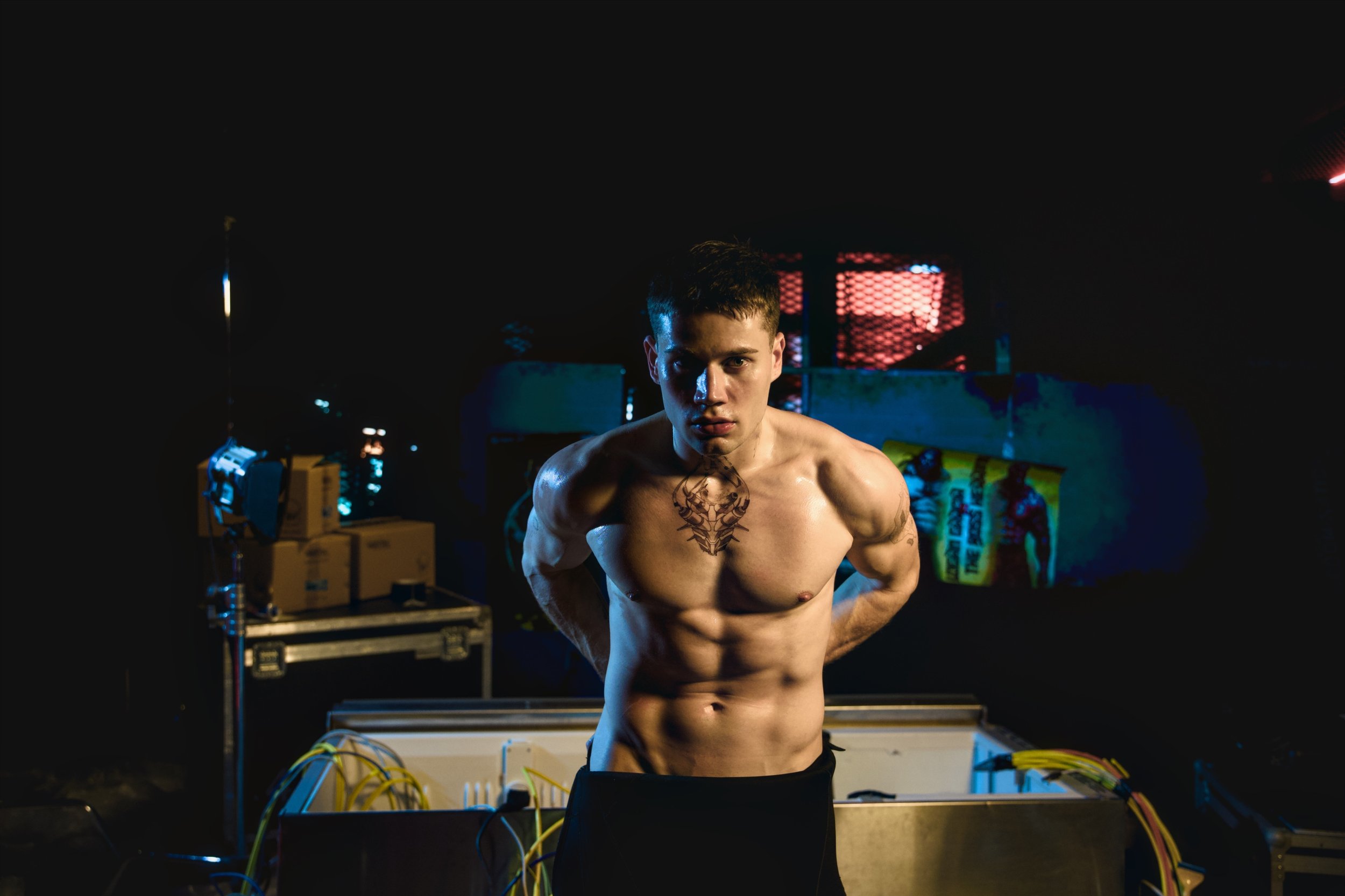
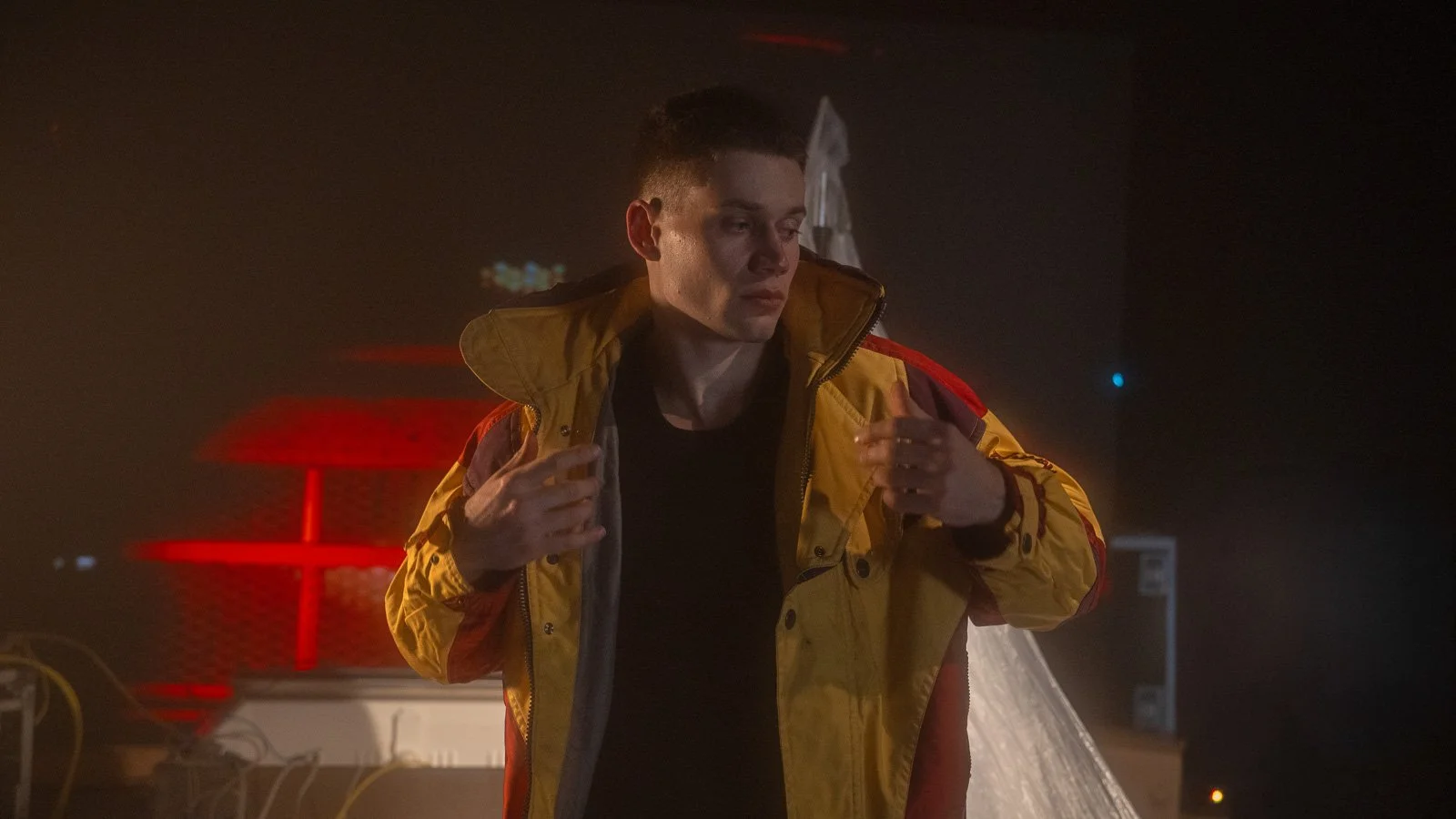
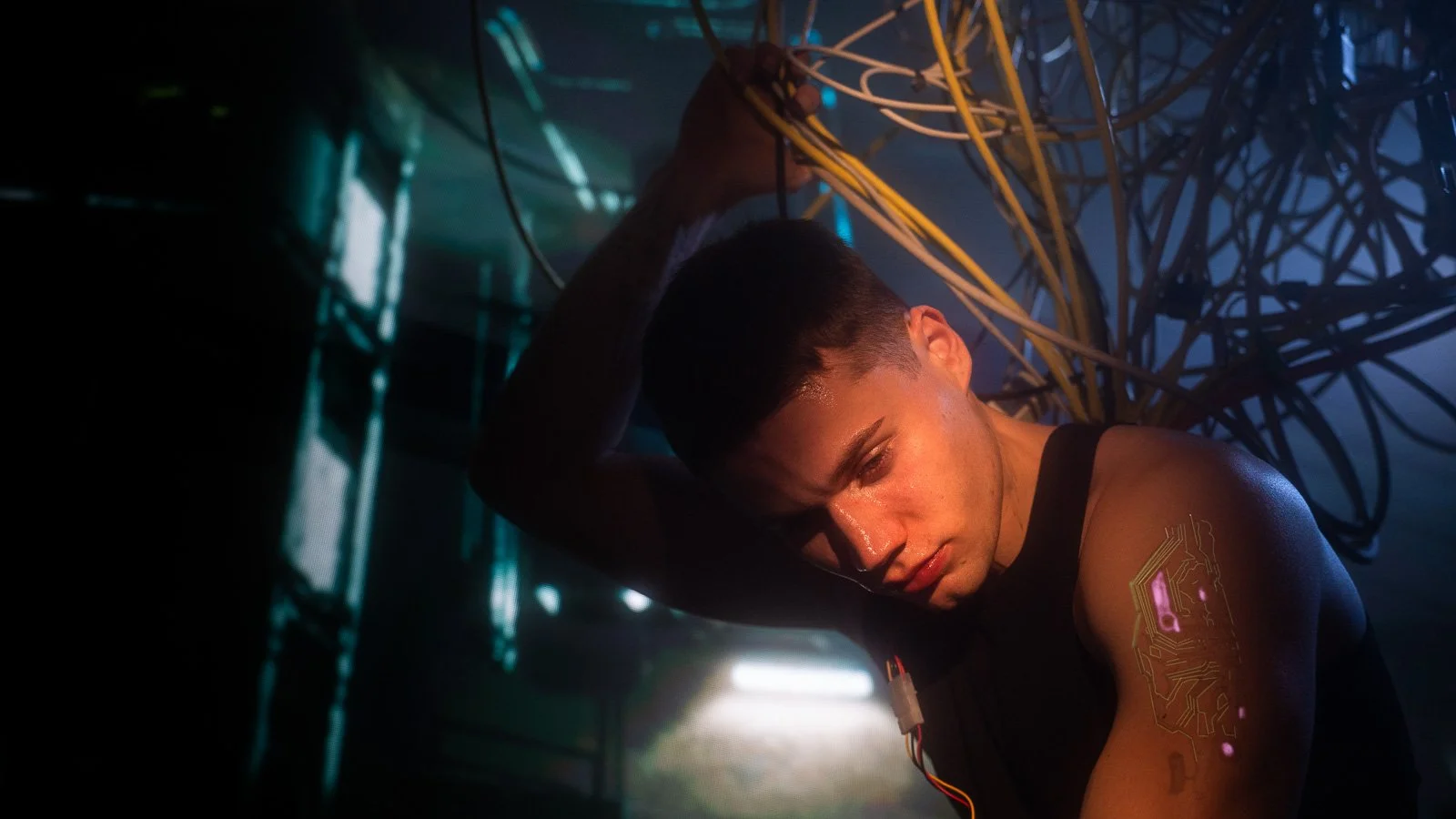
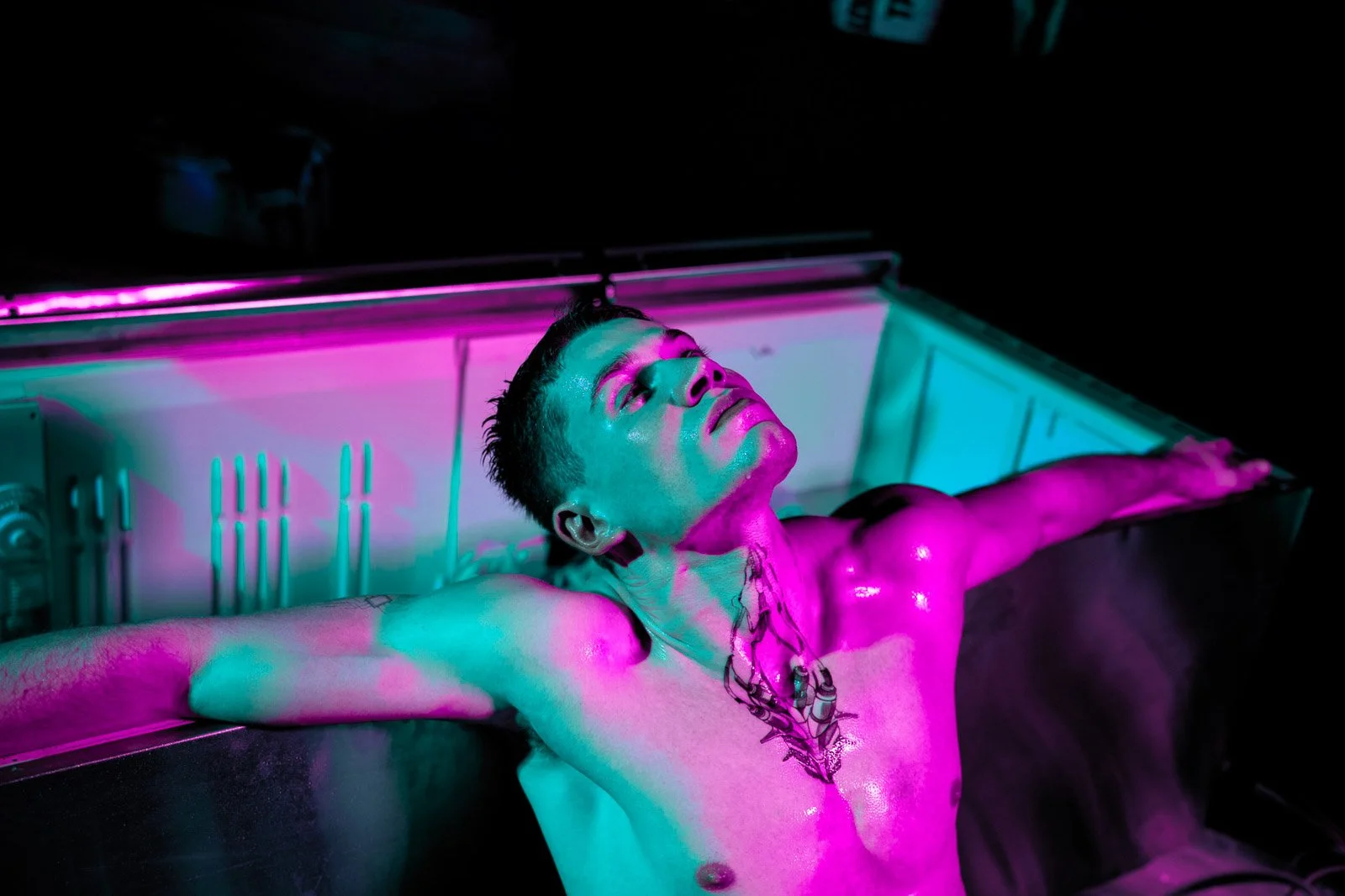
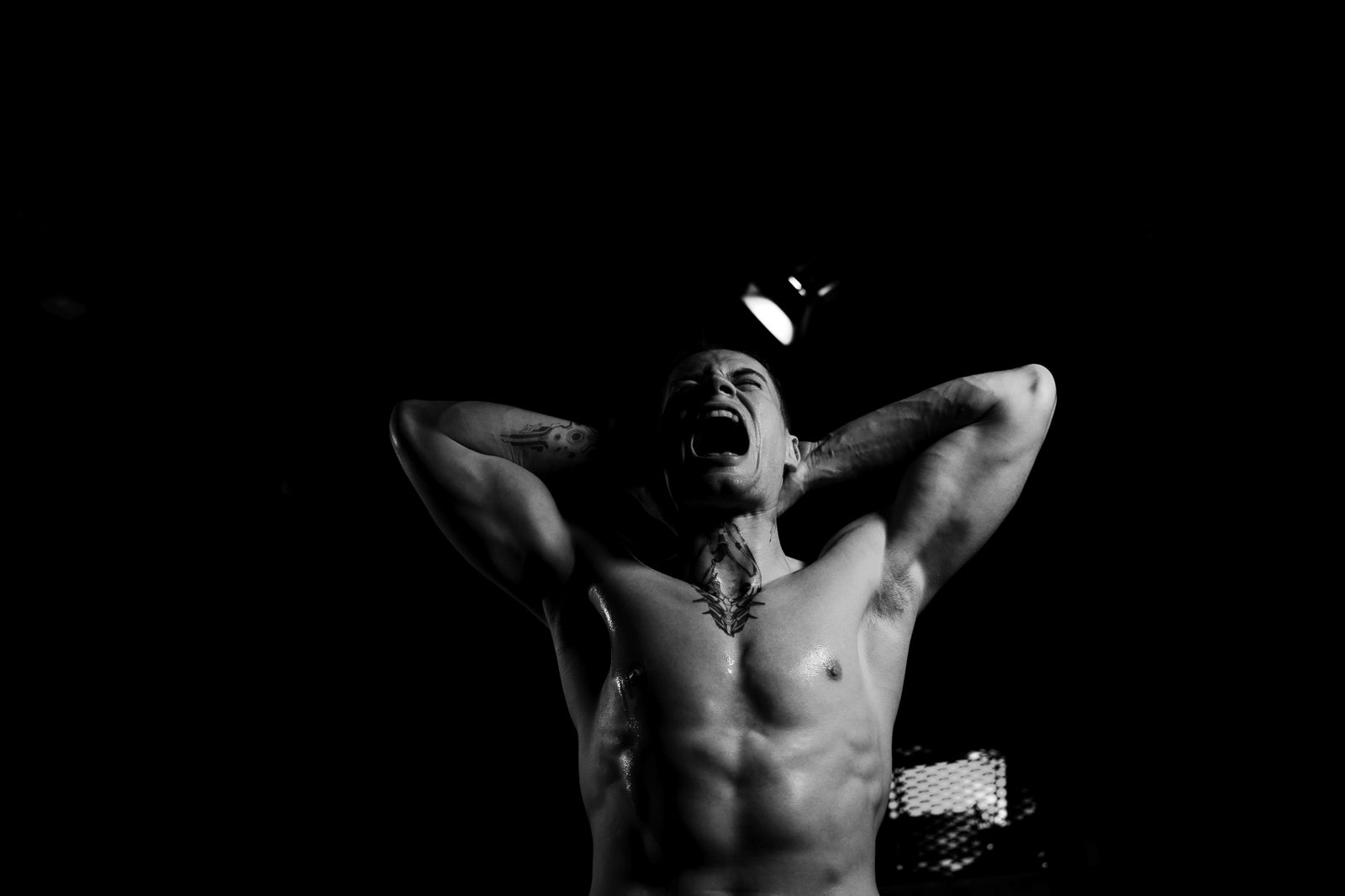
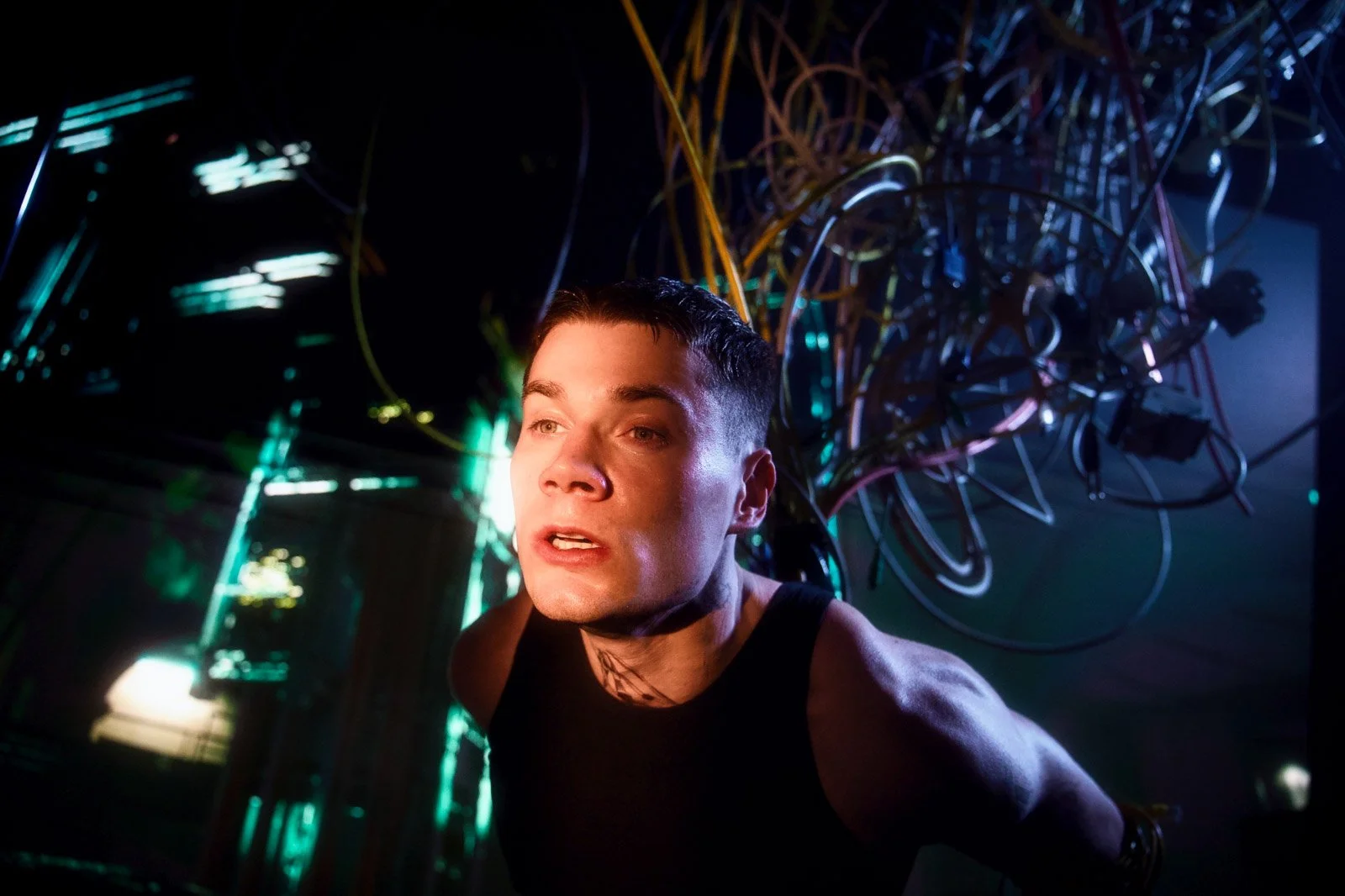
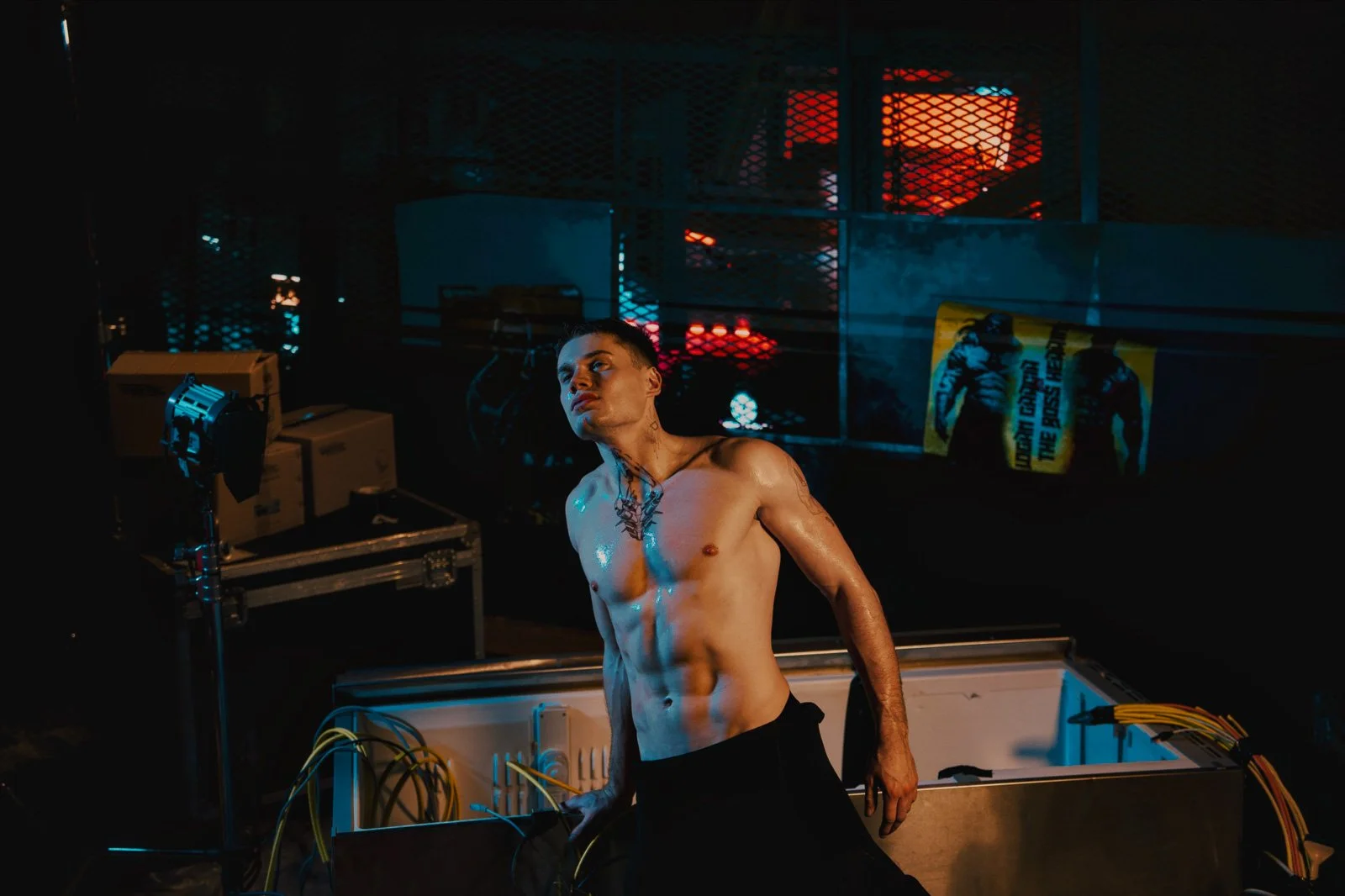
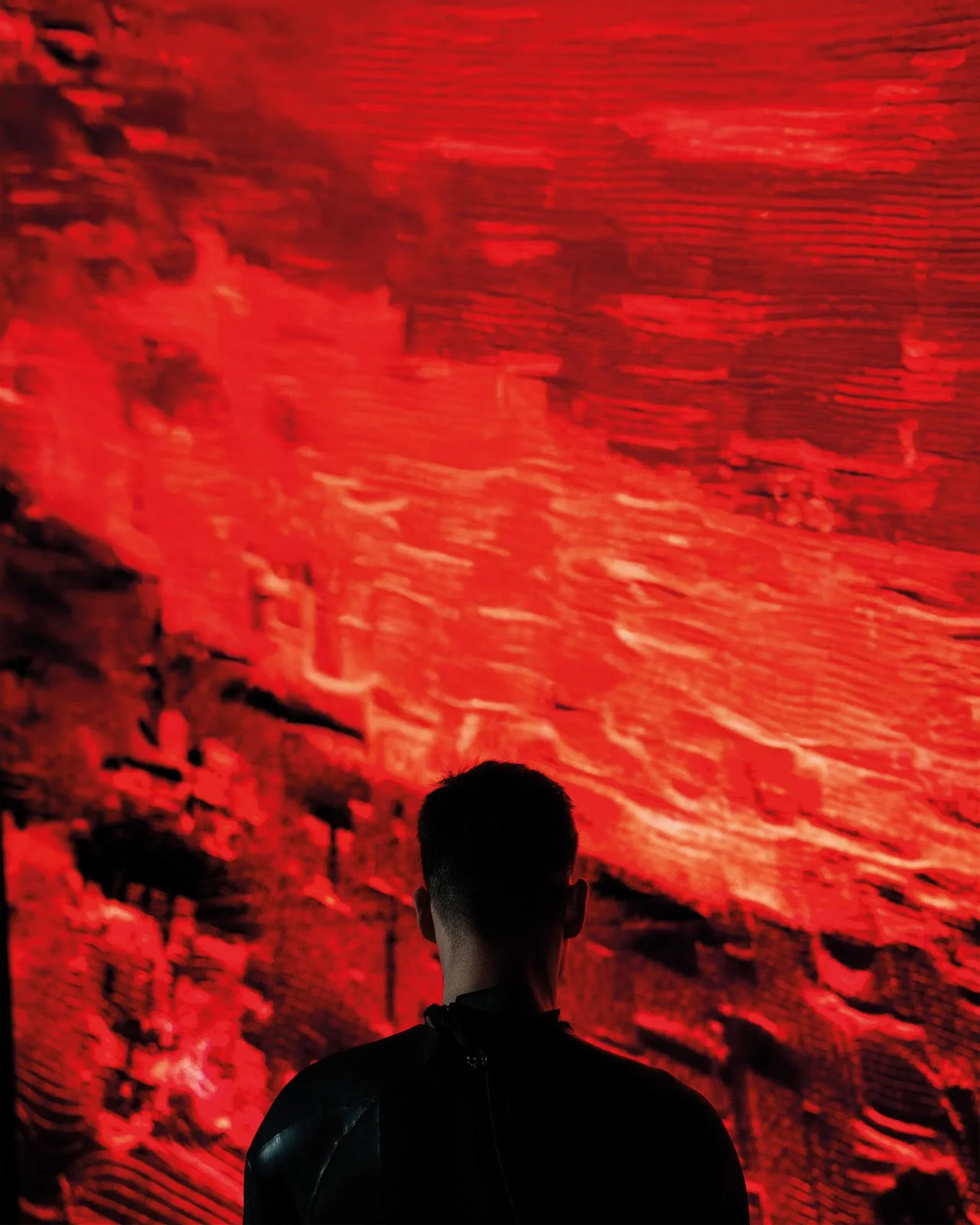
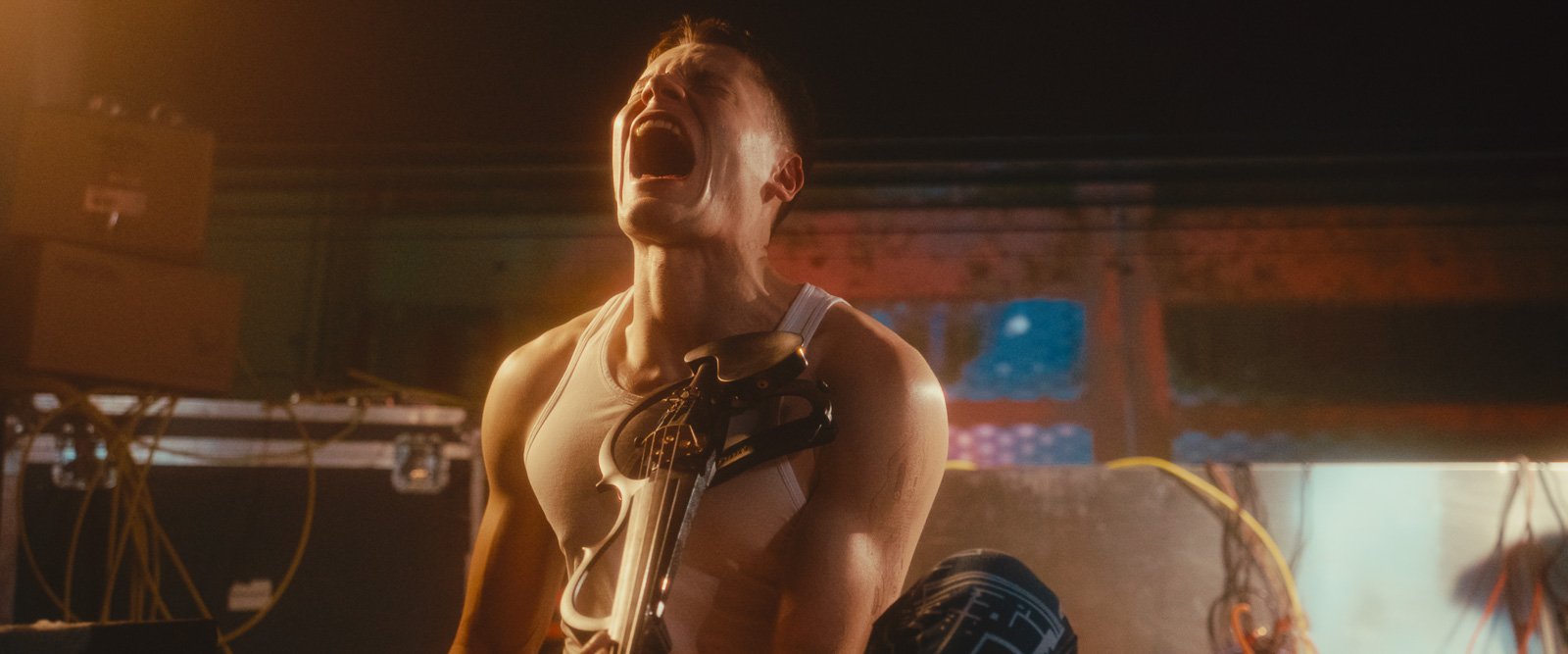
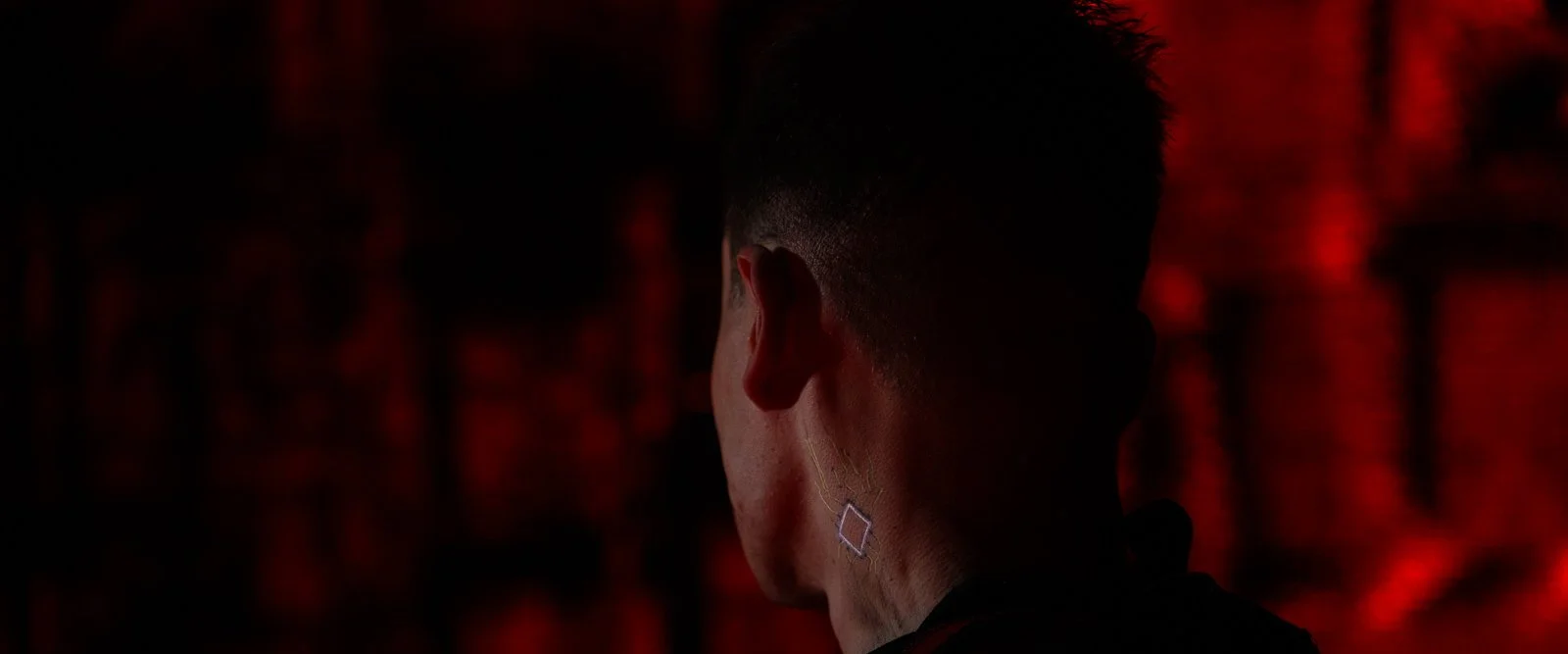
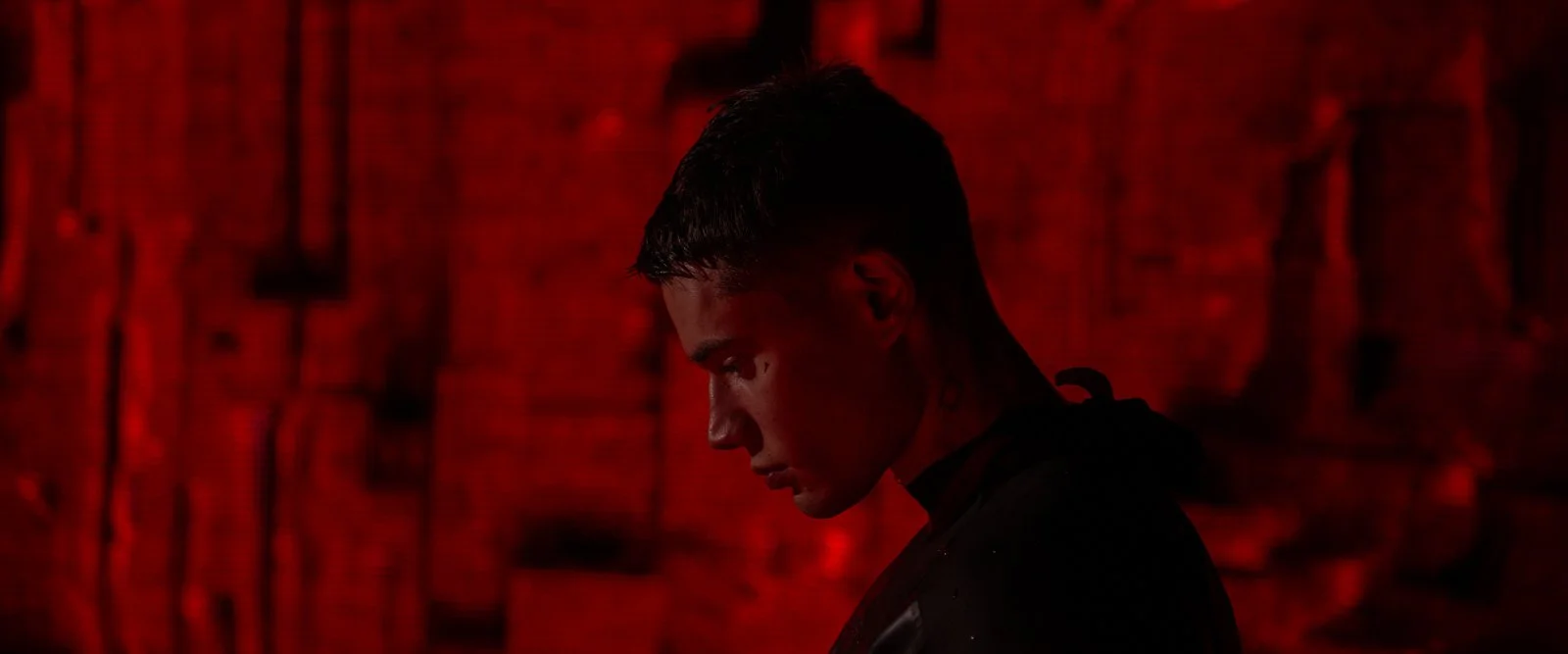
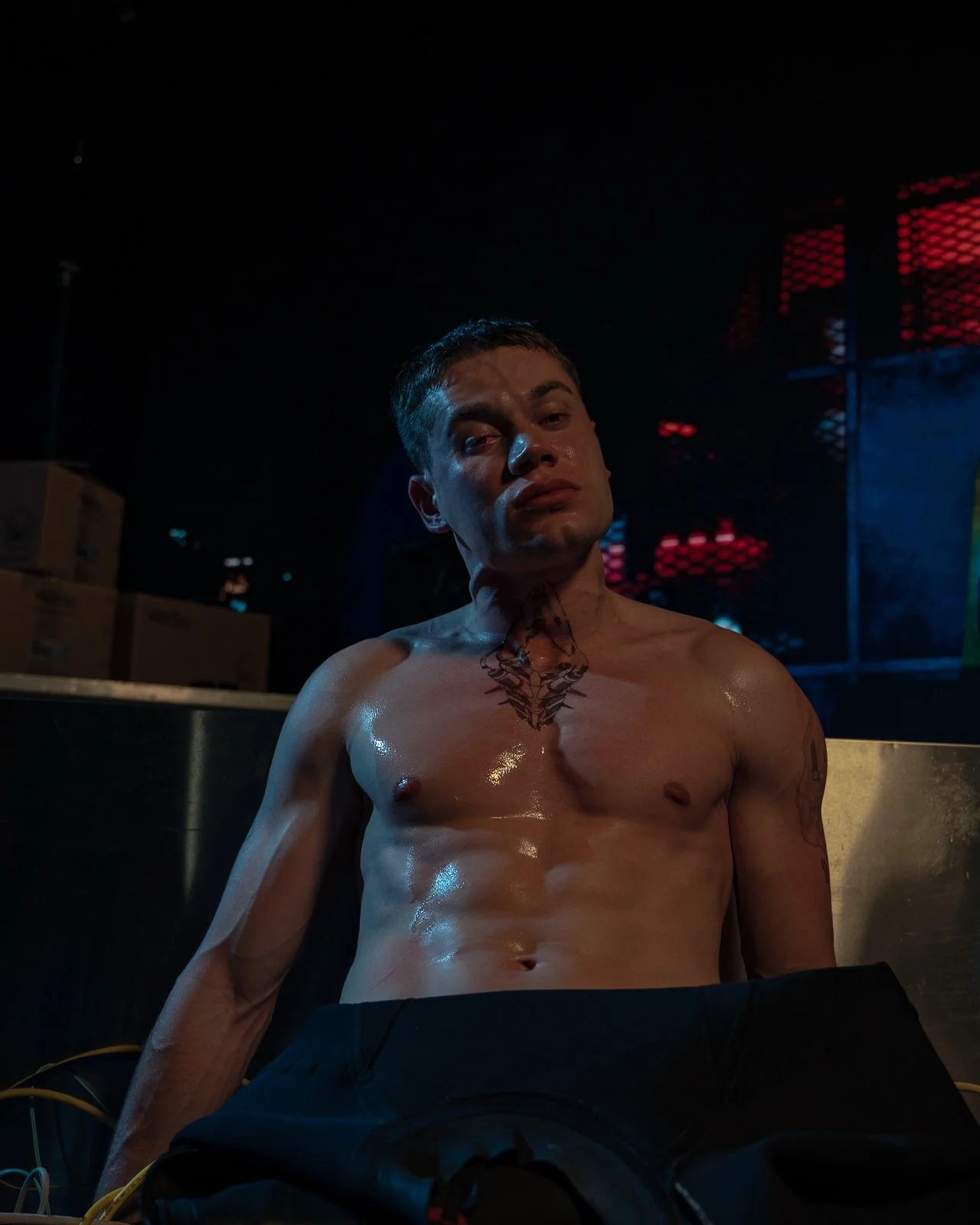
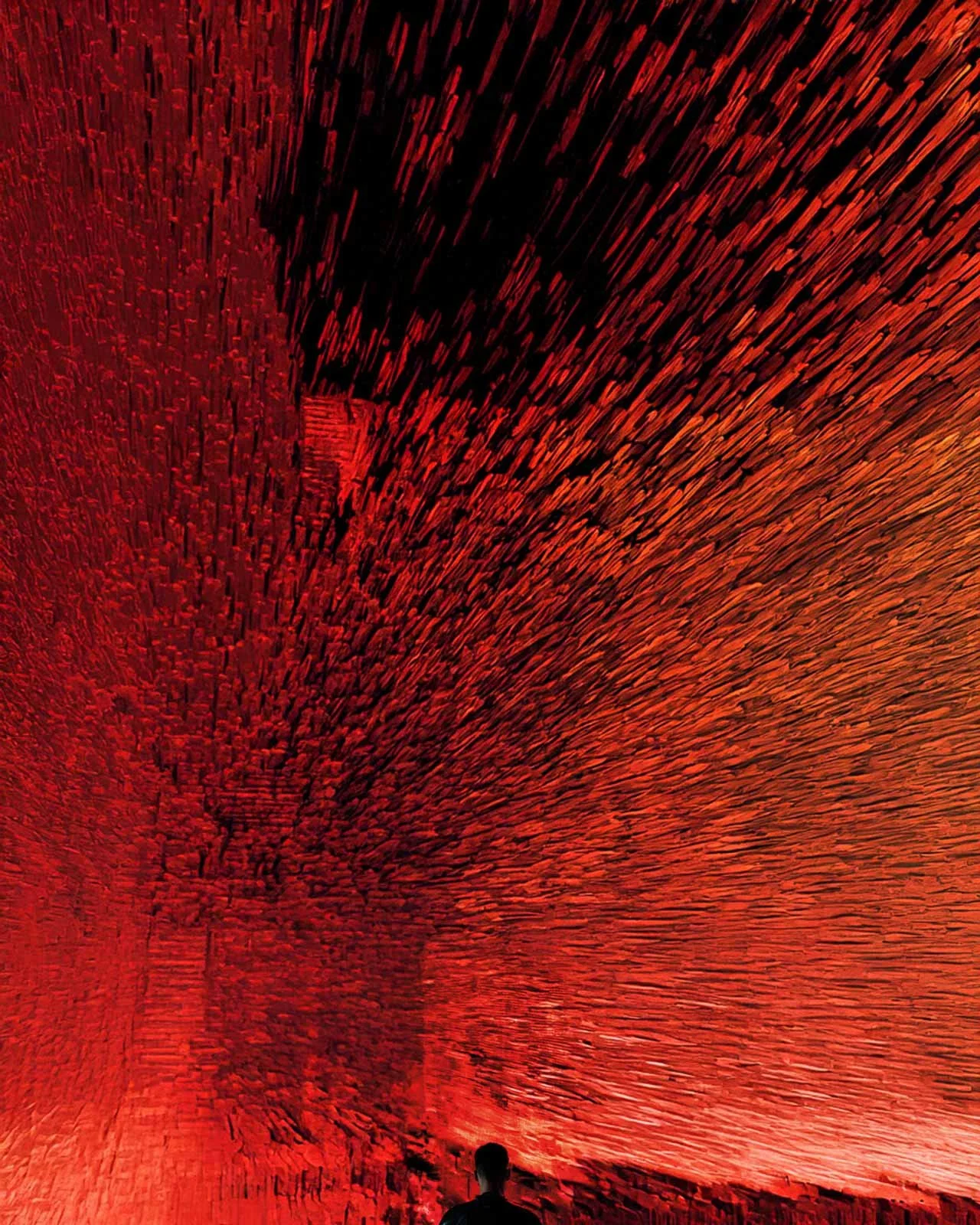
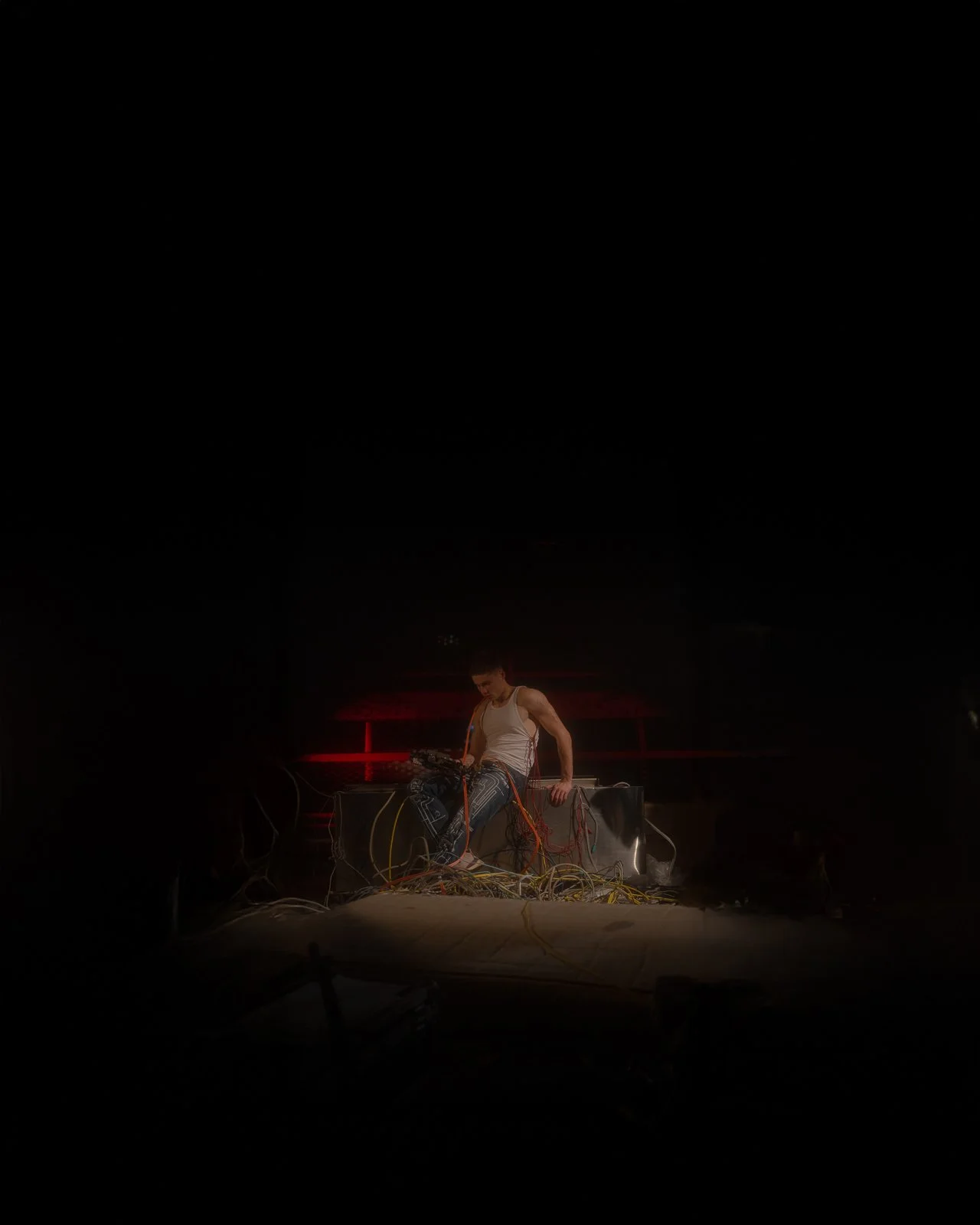
The story itself was never meant to be fully explained. At its core is a solitary edgerunner willing to push himself to the edge for something intensely personal, but the details are deliberately left to the viewer. Our goal was to make every frame carry its own emotional state while still belonging to a larger, unseen narrative. Instead of conventional modeling expressions, we worked with pain, anger, exhaustion, resignation, curiosity, silence and moments of almost complete emotional detachment - often captured through movement rather than static poses. That performance-driven approach became one of the defining elements of the project and brought it surprisingly close to acting. For me, it was also created during an already extreme month of three additional film shoots and very little sleep, which made the physical and emotional intensity unusually real. The result feels successful, but not finished. There is still something unresolved in this world - enough that the idea of continuing it as an actual short film has remained with us ever since.